
After Years of Waiting, This Epsom Homeowner Finally Renovated Her Bungalow
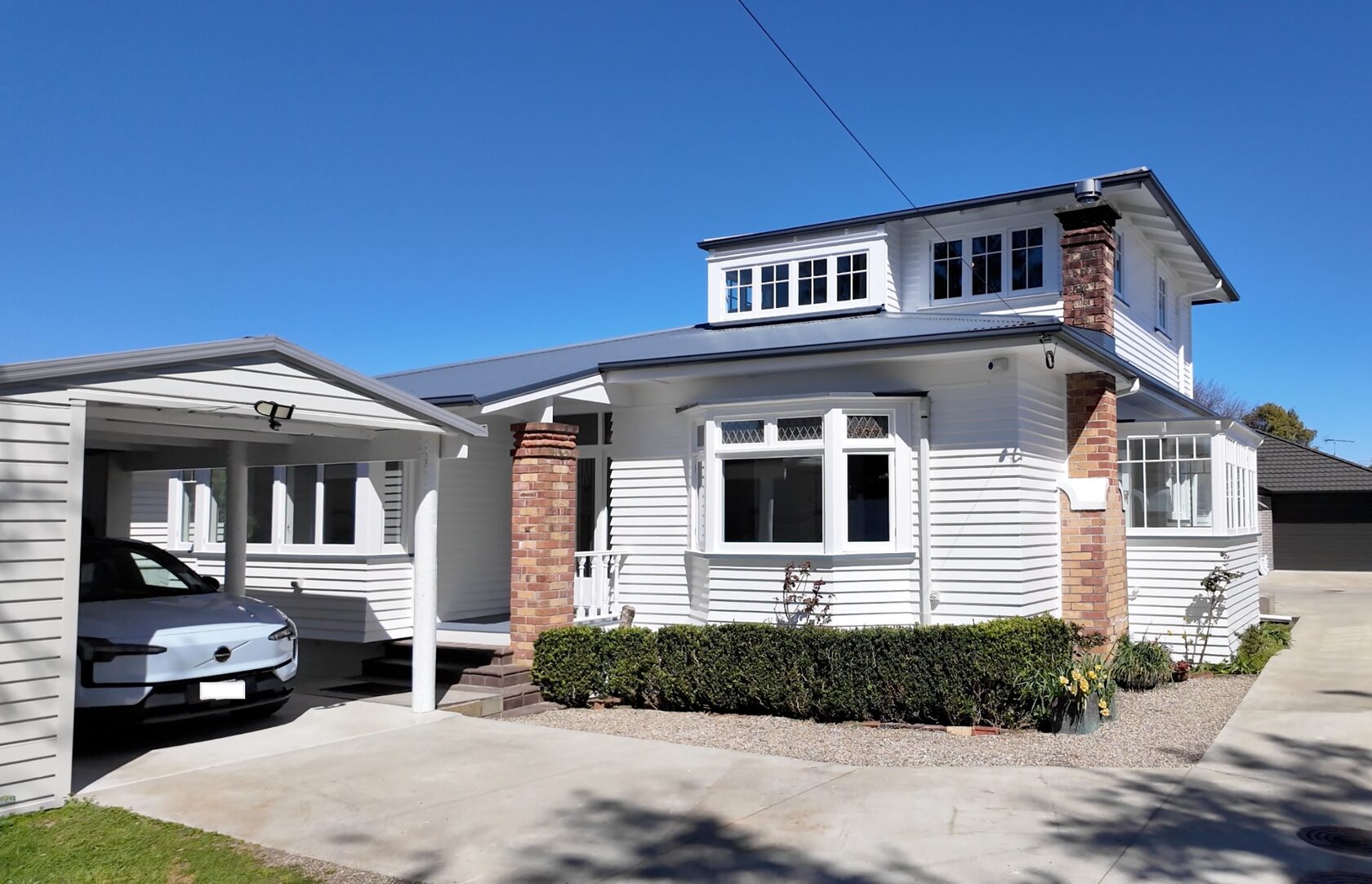
For years, the owner of a bungalow on Hollywood Avenue in Epsom had been thinking about renovating. Every winter brought the same frustration. The house was cold, the kitchen was falling apart and the bathroom was long overdue for an upgrade. She knew something needed to change, but with so much to consider, deciding where to begin was overwhelming.
The homeowner, a doctor at Auckland Hospital, had lived in the property for many years. Her parents also lived in a separate house at the back of the property, making it somewhere she had strong reasons to stay. In fact, she could see herself living there for another 20 to 30 years, right through to retirement.
Selling wasn't on her mind. She wanted to make the most of the home she already had.
After long days at the hospital, she wanted to return to a house that felt comfortable and welcoming. She imagined cooking good meals, having friends over for dinner and enjoying the years ahead without constantly being reminded of everything that needed fixing.
For her, the renovation wasn't about making the house more appealing to future buyers. It was about finally making it a place she could enjoy living in.
A home she loved, but one that needed attention
Built in the early 1900s, the Epsom bungalow had the character of an older Auckland home, along with some of the challenges that come with a property of its age.
Over the years, the house had been altered and extended, leaving behind features that weren't particularly practical. Although the homeowner had lived with these issues for a long time, they were becoming increasingly difficult to ignore.
The kitchen was a particularly frustrating space. The cabinetry was so old that some of the cupboards were becoming unstable and falling apart. The oven dated back to the 1950s and was no longer practical for everyday cooking.
The room wasn't particularly large either, which made its awkward layout even more noticeable. A pantry sat in the middle of the hallway, interrupting the natural route into the kitchen. Between the kitchen and dining room was another problem: a step down that had been left behind by an earlier extension.
Moving between the two rooms meant constantly stepping up and down. It might sound like a small inconvenience, but when you're carrying hot food, preparing dinner or moving around a busy kitchen, an unexpected change in floor level creates a genuine tripping hazard.
For someone who wanted to enjoy cooking and entertaining, these were more than cosmetic problems. The kitchen was supposed to be a place where she could prepare meals and spend time with friends, yet its condition and layout made those simple pleasures more difficult than they needed to be.
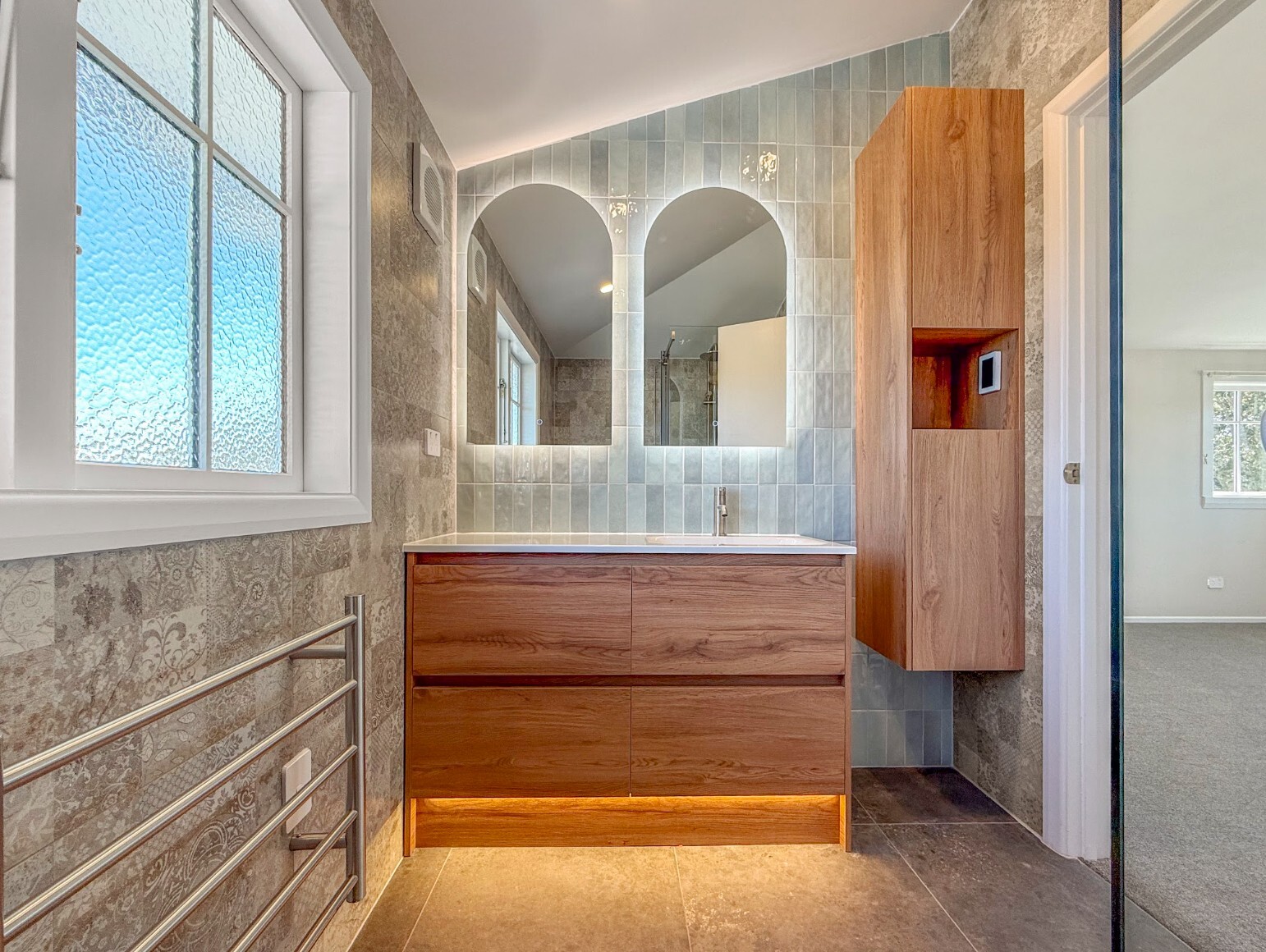
The ensuite wasn't much better. It had a small acrylic shower that was uncomfortable and difficult to use, while the rest of the room was showing its age.
There was also the issue that had bothered her for years, particularly during Auckland's colder months.
The entire house was single-glazed.
Despite its charm, the bungalow could become very cold in winter. Double glazing had been on the homeowner's priority list for a long time, but like the kitchen and ensuite, it was another significant job that she hadn't quite managed to tackle.
With several parts of the house needing attention, the challenge was no longer simply deciding what to renovate. She needed a way to bring everything together into a manageable project.
The recommendation that helped her get started
The homeowner first came across The Renovation Team while driving past one of its renovation sites in Auckland. She noticed the company's sign and decided to find out more.
Before making contact, she spoke with colleagues at Auckland Hospital and discovered that some had already worked with the team on their own renovations. Their experiences were positive, giving her the confidence to take the next step.
When James Goren B.Eng met with her, it became clear that this wasn't a renovation driven by a desire to completely change the house. She had already decided that Epsom was where she wanted to spend the next chapter of her life.
What needed to change was the way the house worked for her.
The kitchen needed attention, the ensuite was uncomfortable and the windows were doing little to keep the house warm. Rather than looking at each problem in isolation, the renovation needed to consider how those improvements would come together.
It also needed to respect the property's age.
Older Auckland bungalows often have original features that homeowners want to retain, even when other parts of the house need substantial modernisation. For this project, the timber windows were particularly important. The homeowner wanted the benefits of double glazing without unnecessarily losing the original joinery that belonged to the house.
That decision would eventually lead to one of the renovation's biggest challenges.
Bringing warmth back into the bungalow
Of all the improvements being considered, double glazing was especially important to the homeowner.
She had spent years putting up with cold winters and wanted to make the house more comfortable for long-term living. The plan was to remove the existing windows, retain their original timber frames where possible and install double glazing before refitting them.
It was a practical way to improve the home's thermal comfort while maintaining its traditional appearance.
For homeowners considering a villa or bungalow renovation in Auckland, upgrading existing timber windows can be worth exploring. Some original frames can accommodate double glazing, although their condition and suitability must be assessed before work begins.
At Hollywood Avenue, that assessment became particularly important once the windows were removed.
The team discovered significant timber rot in various sections of the window frames and surrounding joinery.
From the outside, the full extent of the deterioration hadn't been obvious. It was only once work began that the team could see how much restoration was required.
Because the bungalow was built in the early 1900s, the timber had already been exposed to many decades of weather and wear. Some sections had deteriorated considerably and needed more than a straightforward glazing upgrade.
The team carried out substantial timber restoration work to address the affected areas before completing the window installation.
This was an important part of the project. Installing new double glazing would have improved the windows, but the underlying timber also needed to be properly repaired. Leaving rotten sections untreated would have compromised the quality of the work.
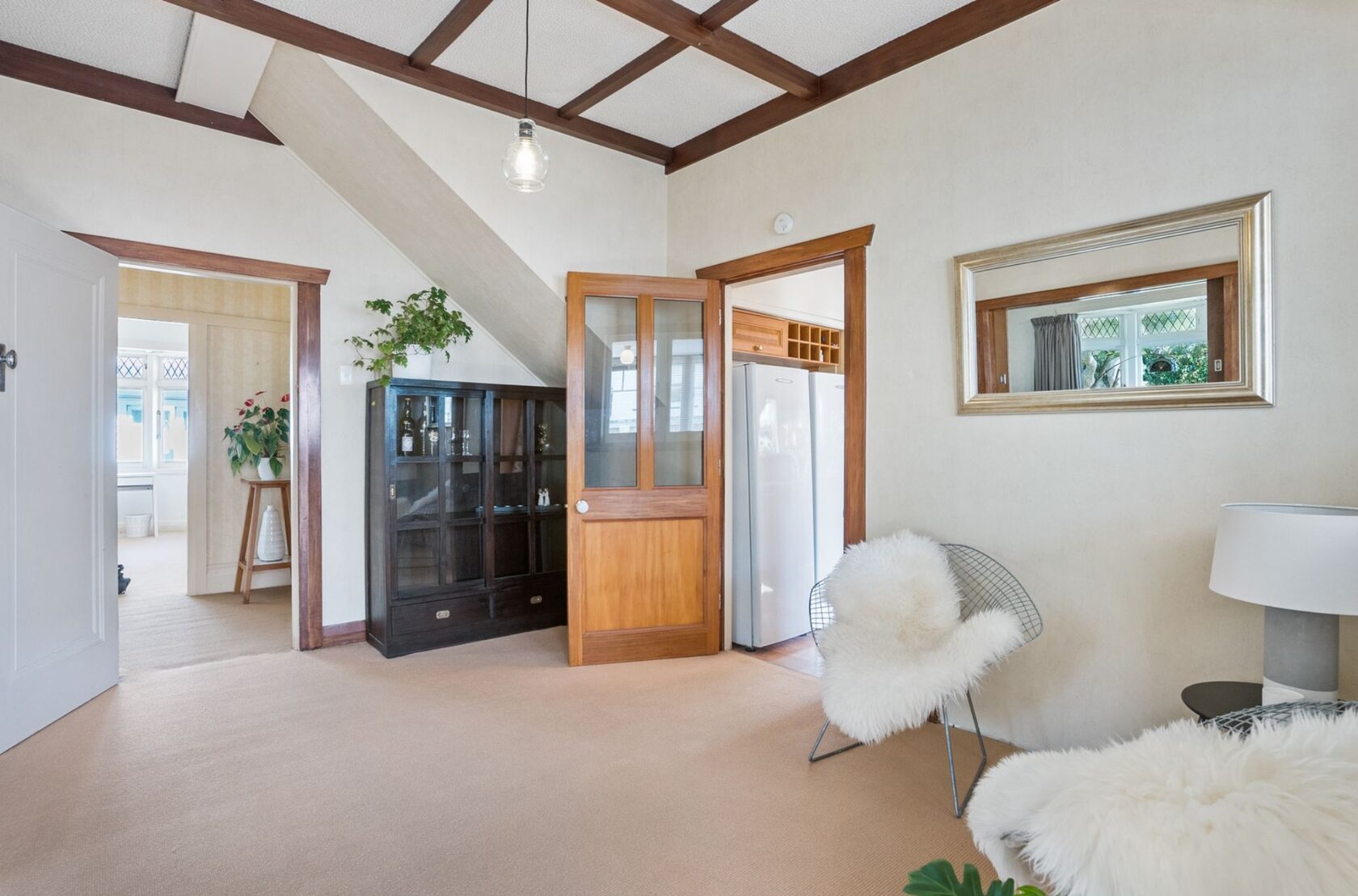
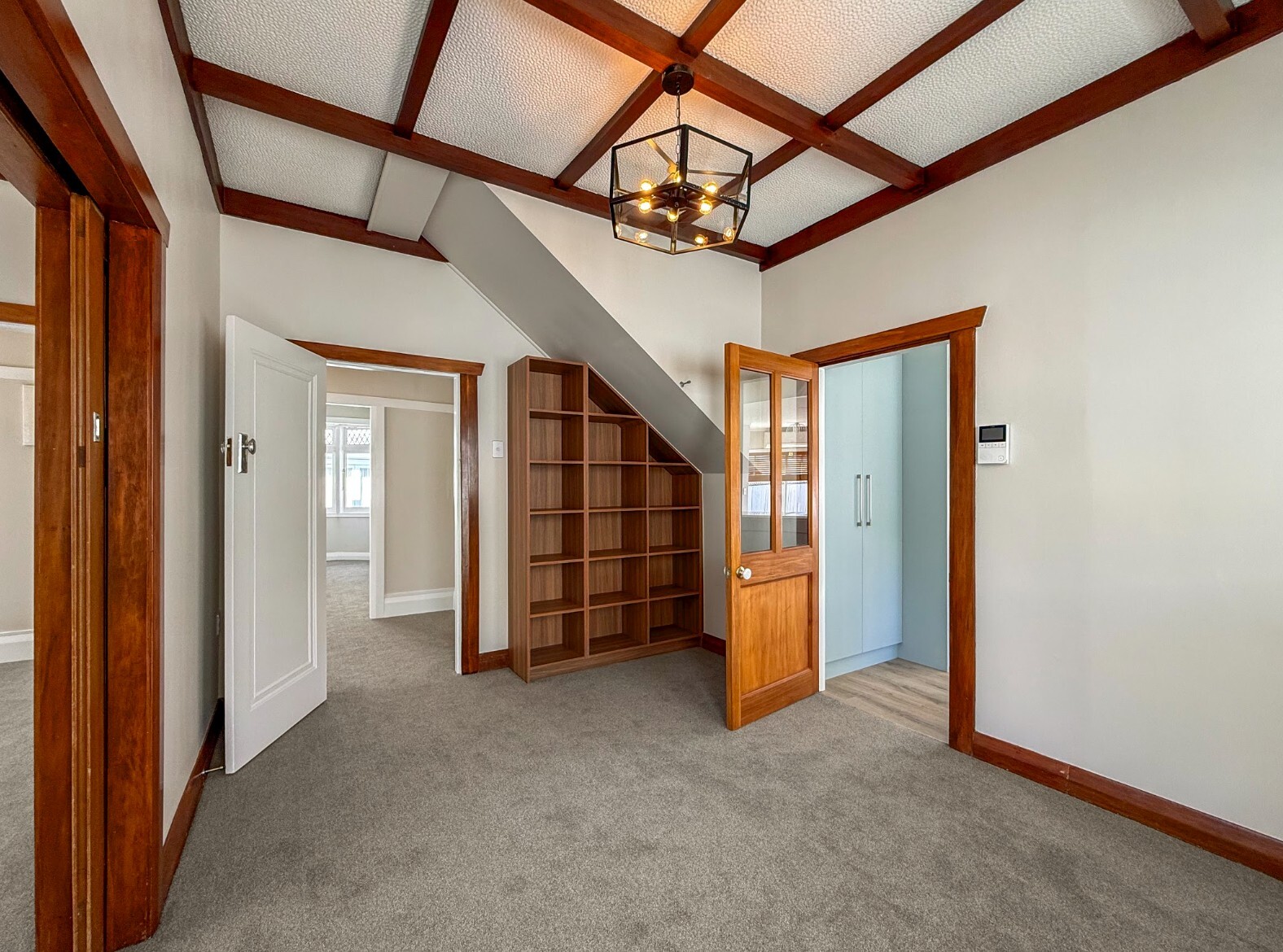 Use the left and right arrow keys to compare. Home shows the after photo. End shows the before photo.
The additional restoration wasn't something the homeowner had originally expected, but it was necessary to bring the old joinery back into suitable condition.
It also highlighted something that homeowners renovating older properties should keep in mind. Even when the visible parts of a house appear reasonably sound, there can be problems underneath that only become apparent once the work begins.
The windows weren't the only area where this happened.
An unexpected discovery beneath the bathroom floor
While the window restoration was underway, the ensuite renovation presented another challenge.
Once demolition began and the existing bathroom floor was exposed, the team discovered that the supporting structure underneath was unstable.
The foundation was wobbly, with insufficient posts and footings to provide the support needed for the room. There was also an unusual concrete base beneath part of the floor. James Goren B.Eng suspected it might have been associated with an old fireplace, although its original purpose wasn't confirmed.
Whatever its history, the condition of the floor needed to be addressed before the bathroom renovation could continue.
A bathroom requires a stable and level surface, particularly when waterproofing, tiling and installing new fixtures. Completing the visible renovation without addressing the structural problems underneath would have meant building on an unsuitable foundation.
The team removed the unwanted concrete, installed additional supporting posts and carried out the necessary floor repairs. The room was then brought back to a level, straight and square condition, providing a sound base for the remaining bathroom work.
It was a substantial amount of work that would ultimately be hidden beneath the finished bathroom.
Yet for James Goren B.Eng, this is part of what makes renovating an older home different from simply replacing a few fixtures and fittings. What lies behind the walls and beneath the floors can be just as important as the finishes that people eventually see.
The Hollywood Avenue project was a reminder that even a relatively small ensuite can involve more extensive repairs than expected.
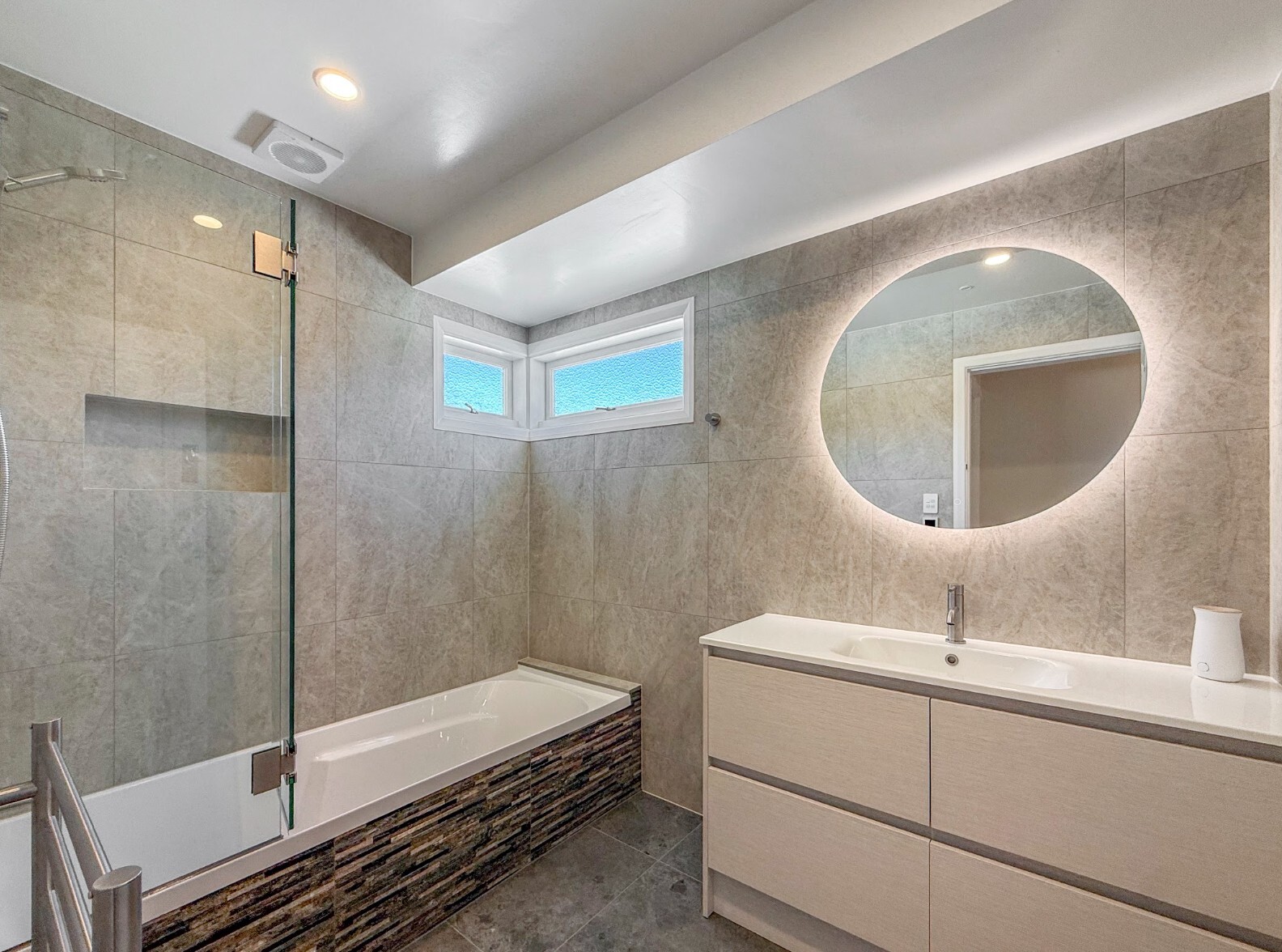
For homeowners planning a bathroom or ensuite renovation in Auckland, the condition of the existing floor and supporting structure should be considered alongside the layout, shower, vanity and other fixtures.
Addressing these issues during the renovation gave the homeowner a more reliable foundation for the years ahead.
The biggest improvement wasn't something you could see
After years of putting off the renovation, the homeowner finally had the improvements she had been wanting for so long.
The ageing kitchen and ensuite had been addressed as part of the project, along with the restoration and double glazing of the original windows. The work had also uncovered underlying issues that might otherwise have remained hidden.
But when James Goren B.Eng reflected on the completed renovation, one improvement stood out above the rest.
The house was finally much warmer.
For someone who had spent so many winters in a cold bungalow, the difference was significant. The new double glazing helped improve the home's thermal comfort and new drapes and blinds added another layer of warmth while completing the appearance of the rooms.
These weren't necessarily the most dramatic changes to photograph, but they made an immediate difference to everyday living.
The home still retained the character that made it special, but it was now more comfortable and better suited to the lifestyle the homeowner wanted.
Her friends noticed the transformation too. When they visited after the renovation, she received plenty of compliments on the improvements.
For someone who had imagined spending more time entertaining at home, that was a particularly satisfying result.
The house she had lived in for years was finally becoming the place she had wanted it to be.
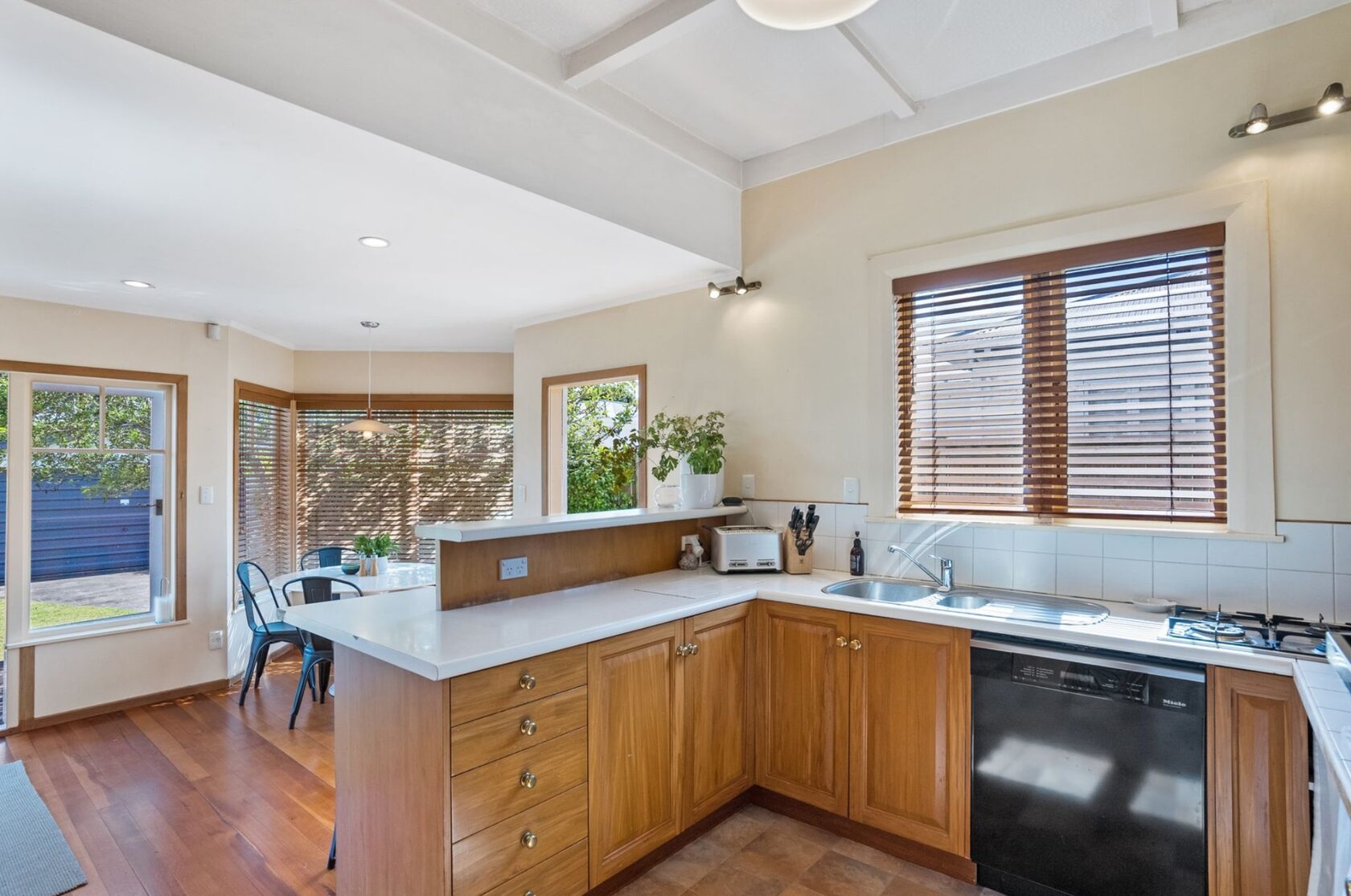
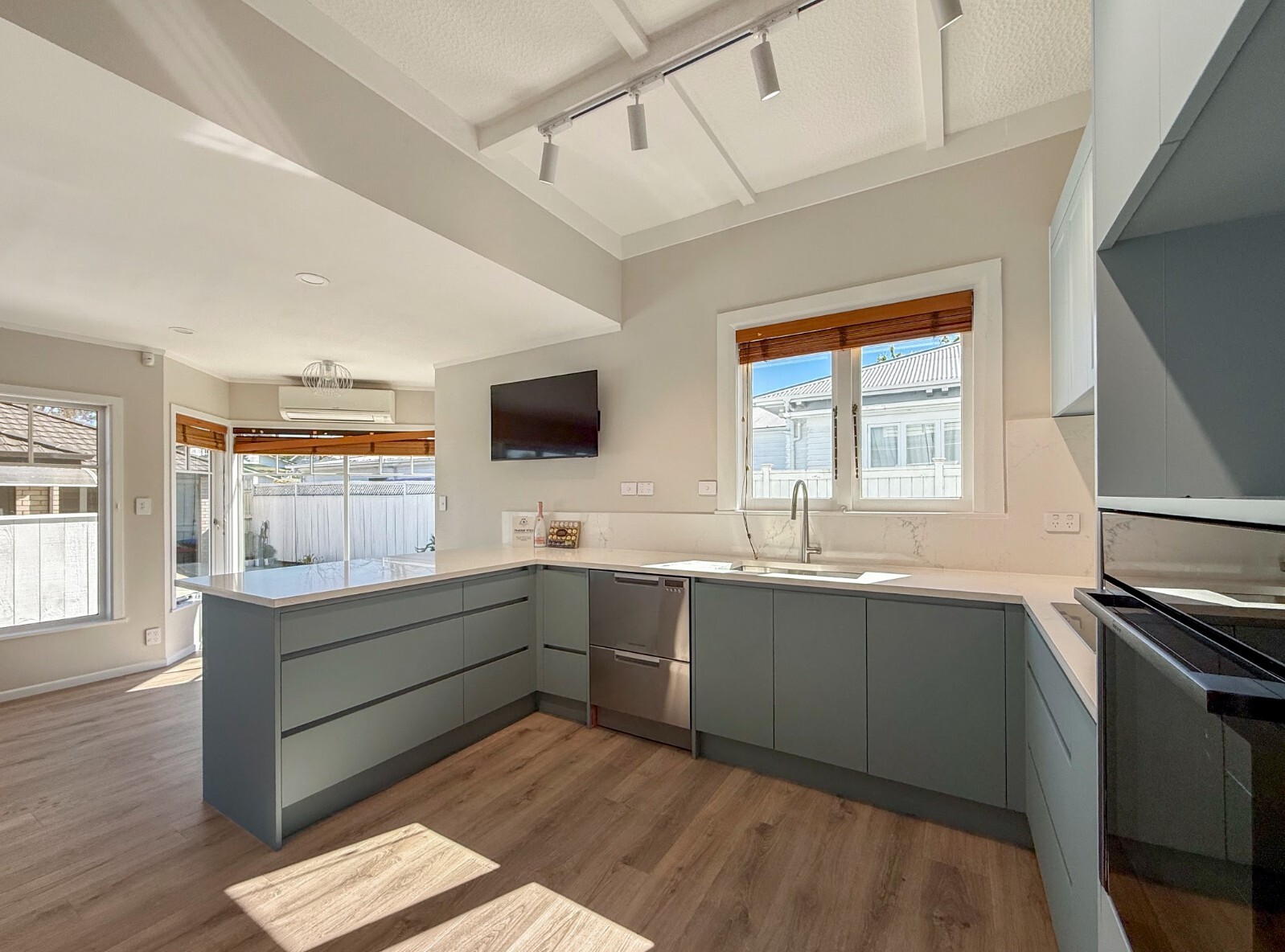 Use the left and right arrow keys to compare. Home shows the after photo. End shows the before photo.
A closer look at the Hollywood Avenue renovation
A renovation for the years ahead, not for a future buyer
It's easy to associate home renovations with increasing property value, preparing a house for sale or making a newly purchased property feel like your own.
But not every homeowner renovates with the next buyer in mind.
For the owner of this Hollywood Avenue bungalow, the decision was about enjoying the home she already had. She wasn't looking for another property in Auckland or preparing to put hers on the market. Her family was nearby, she was settled in Epsom and she wanted to remain there for many more years.
The problems with the house had simply reached a point where she was ready to do something about them.
That is a situation many long-term homeowners can relate to. It's possible to love where you live while becoming increasingly frustrated by the house itself. Perhaps the kitchen no longer suits how you cook, the bathroom is uncomfortable or the rooms never seem warm enough in winter.
When those problems have been there for years, it's easy to get used to them. Renovating can feel like a major undertaking, especially when several things need attention at once.
Yet living in a house for another 10, 20 or even 30 years changes how those decisions are viewed. An improvement that makes everyday life easier or more comfortable becomes something you can benefit from for a long time.
The Hollywood Avenue renovation also showed the importance of understanding the condition of an older property before focusing entirely on its appearance. Timber rot and unstable flooring aren't the features people usually look forward to renovating, but repairing them properly is essential to achieving a lasting result.
For this homeowner, the effort was worthwhile. She could continue living in the neighbourhood she knew, close to her family, without having to accept the same frustrations she had lived with for years.
The result wasn't simply a more attractive bungalow. It was a warmer and more comfortable home that she could enjoy well into retirement.
What Auckland homeowners can learn from this renovation
If you're thinking about renovating an older home, particularly a villa or bungalow, it's worth considering more than the rooms you want to update.
A kitchen might be the most obvious starting point, but an awkward layout could be connected to alterations made decades earlier. A bathroom might look like a straightforward replacement until demolition reveals problems with the floor beneath it. Original timber windows may be suitable for double glazing, but their condition needs to be checked before that decision can be made.
Planning a renovation around how you intend to live in the property can also help you make better decisions about where to invest.
For homeowners staying long term, improvements to warmth, safety and functionality may be just as important as new finishes. If several areas need work, bringing them into a coordinated home renovation plan can help identify the priorities, dependencies and potential challenges before construction begins.
The Hollywood Avenue homeowner had been considering her renovation for years. What finally made the difference was having the confidence to begin and a plan for addressing the problems that mattered most.
Frequently Asked Questions
Can you install double glazing in an older Auckland bungalow without replacing the timber windows?
+
Yes, some existing timber windows can be retrofitted with double glazing, depending on the condition and strength of the frames. This can allow homeowners to improve thermal comfort while retaining original features.
At Hollywood Avenue, the renovation involved restoring the original timber joinery and upgrading the windows with double glazing. However, significant rot was discovered during the work, requiring substantial timber repairs.
What unexpected problems can arise when renovating an older Auckland home?
+
Older homes can contain hidden issues such as timber rot, unstable subfloors, deteriorating plumbing, moisture damage or problems associated with previous alterations.
In this Epsom bungalow, the team uncovered rotten timber around the windows and inadequate support beneath the ensuite floor. Both problems needed to be addressed before the planned renovation work could be completed.
Is it better to renovate the kitchen and bathroom at the same time?
+
It depends on the condition of the home, the scope of work and your available budget. Renovating several spaces as one coordinated project can make it easier to plan connected work, particularly when plumbing, electrical work, flooring or structural repairs are involved.
For older Auckland homes, assessing the wider condition of the property can help establish which improvements should be prioritised.
Do bungalow renovations in Auckland require building consent?
+
Some renovation work can be carried out without building consent, while structural alterations, certain plumbing changes and other work affecting Building Code compliance may require approval.
The requirements depend on the specific work proposed. Homeowners can learn more in our guide to building consent for Auckland renovations.
Is renovating an older home worthwhile if you're planning to stay long term?
+
For homeowners who intend to remain in their property, renovating can improve comfort, safety and functionality without requiring a move.
The Hollywood Avenue homeowner had no intention of selling. Her priority was to make the bungalow warmer and more enjoyable to live in for the next stage of her life.
Thinking about renovating your own Auckland home?
Whether you've recently purchased an older property or have been living in the same house for decades, knowing where to begin can be one of the hardest parts of renovating.
At The Renovation Team, we help Auckland homeowners plan and manage renovations that suit their homes, priorities and long-term goals. From kitchen and bathroom upgrades to larger renovations involving several areas of the property, our team works with you to develop a clear scope before construction begins.
If you've been thinking about renovating but aren't sure where to start, get in touch with The Renovation Team to discuss what you'd like to improve and how to move forward.