
Types of Toilets in New Zealand: Costs, Pros & Cons
A Practical Bathroom Renovation Guide by James Goren, B.Eng. - Founder, The Renovation Team
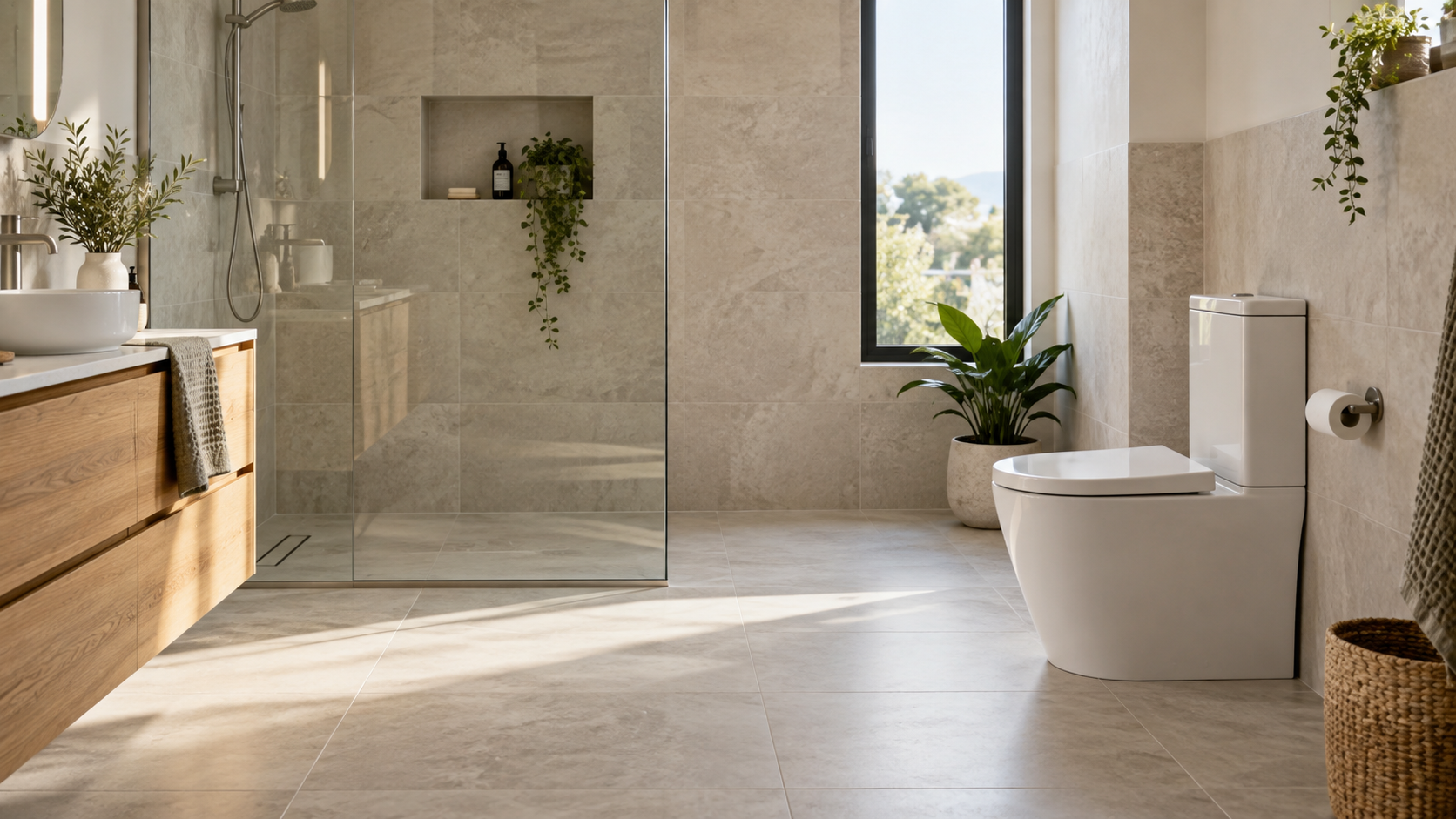
Choosing a toilet sounds like one of the simplest decisions in a bathroom renovation.
Then you start looking.
Standard or back-to-wall? Concealed cistern or wall-hung? Rimless? Comfort height? Bidet toilet? S-trap or P-trap?
And why can one toilet cost a few hundred dollars while another can become a $5,000-plus decision by the time it is installed?
After being involved in hundreds of renovations around Auckland, I've learned that the most expensive toilet is not necessarily the best toilet for the job.
For me, a toilet needs to do four things well: It needs to look right, work reliably, be easy to clean and maintain, and make sense for the renovation budget.
Don't just look at the price of the toilet. Look at the complete installed cost.
Here are the four main toilet options we normally consider.
1. Standard or Close-Coupled Toilet
This is the traditional toilet most people recognise.
The pan sits on the floor with the cistern attached and visible behind it. There is often a gap behind the pan, leaving some plumbing relatively accessible.
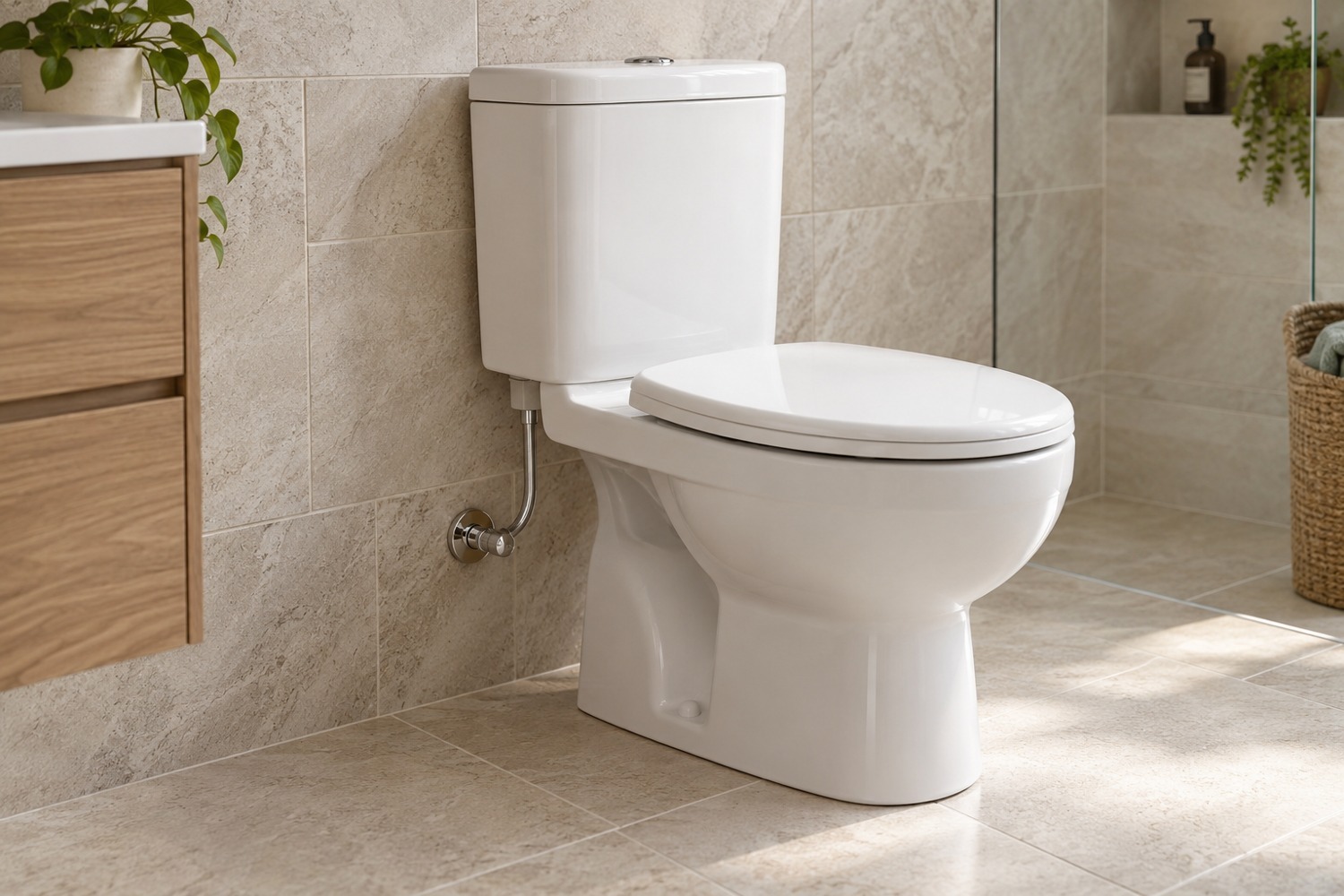
From a maintenance perspective, that can actually be an advantage. If there is a leak from the water connection, cistern or waste, it is generally easier to see what is happening and gain access for repairs.
The disadvantage is appearance. These toilets can look dated, and the area behind them tends to collect dust and can be awkward to clean.
James Goren's Tip"I don't normally choose this style for a good-quality residential renovation anymore. But it can make perfect sense for a basic investment property or commercial application where simplicity, accessibility and budget are the priorities."
What Does a Standard Toilet Cost in NZ?
| Level | Toilet Price | Typical Installation |
|---|---|---|
| Entry | $350-$500 | $350-$700+ |
Installation assumes a reasonably straightforward replacement without major drainage alterations.
Advantages and Disadvantages
| Advantages | Disadvantages |
|---|---|
| Generally economical | More dated appearance |
| Easy servicing access | Gap behind toilet can collect dirt |
| Leaks may be easier to identify | More difficult to clean around |
| Suitable for some commercial and budget applications | Doesn't provide sleek modern lines |
2. Back-to-Wall Toilet - Our Most Common Choice
This is probably the configuration we use most frequently at The Renovation Team.
The toilet sits neatly against the finished wall, hiding most of the plumbing and eliminating the awkward open space behind the pan.
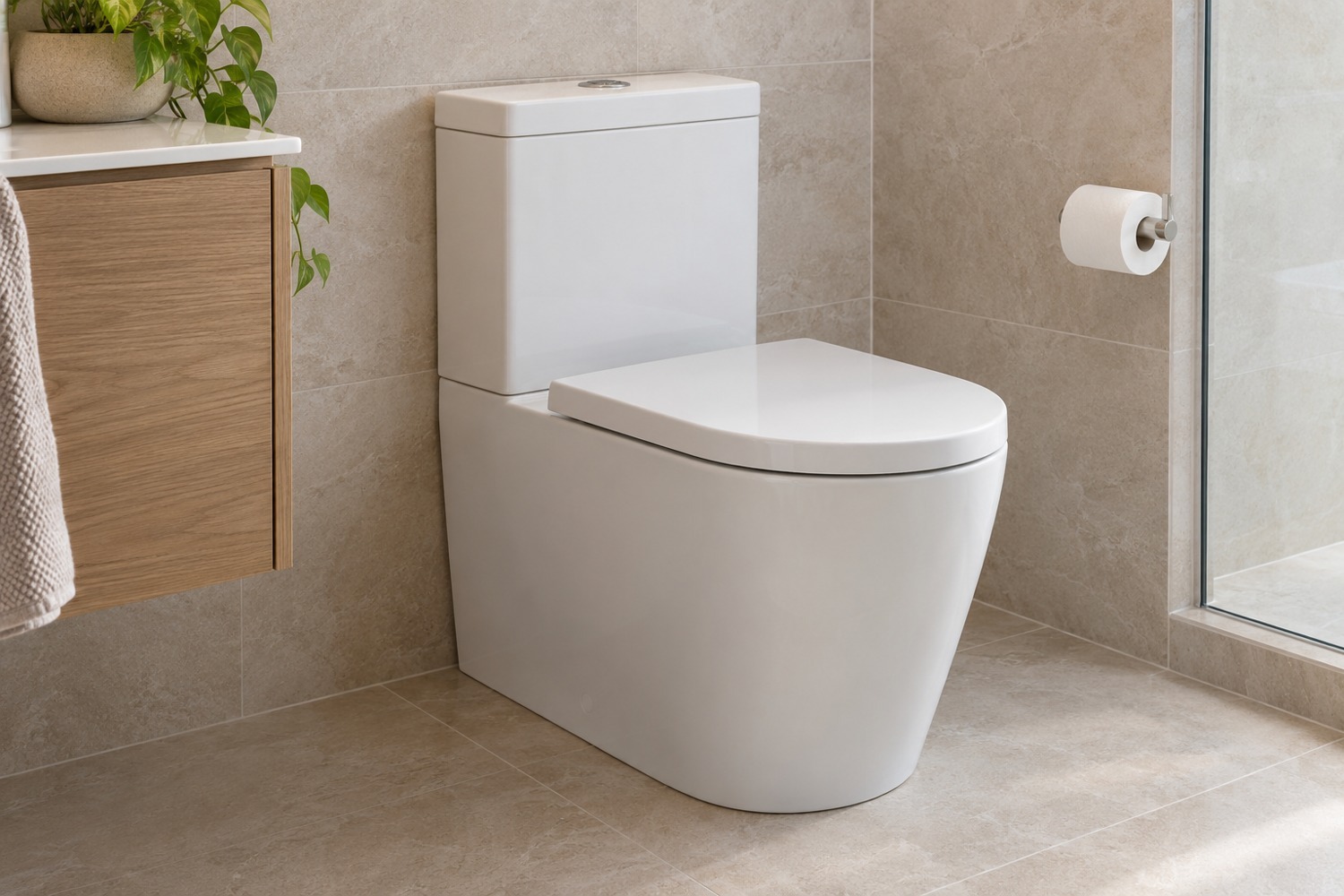
We use good-quality back-to-wall toilets in family homes, quality investment properties and commercial renovations.
They offer a very good balance. They look modern without unnecessarily complicating the bathroom. They're easy to clean around, practical to maintain and available in a huge range of designs and prices.
James Goren's Tip"For most good-quality renovations, this is where I start. A quality back-to-wall toilet looks good, is reliable and practical, and we're not adding complexity where we don't need it."
What Does a Back-to-Wall Toilet Cost in NZ?
| Level | Toilet Price | Typical Installation |
|---|---|---|
| Entry | $450-$700 | $400-$700+ |
| Mid-range | $700-$1,600 | $400-$800+ |
| Premium / Designer | $1,600-$2,700+ | $500-$1,000+ |
The existing waste position, water connection and toilet set-out can significantly affect installation cost.
Advantages and Disadvantages
| Advantages | Disadvantages |
|---|---|
| Clean, modern appearance | Costs more than some basic toilets |
| Easy to clean around | Correct set-out needs checking |
| Most plumbing is concealed | Not every model suits every existing waste position |
| Cistern remains accessible | Designer models can become expensive |
| Excellent balance of appearance and practicality | - |
Why Toilet Brand Matters
This applies to every toilet in this article.
I prefer established manufacturers with good quality control, warranties, New Zealand representation and replacement parts.
Brands such as Caroma, Englefield, Kohler, Robertson and Roca, together with other established manufacturers and reputable NZ suppliers, are generally where I prefer to start.
A toilet may remain in your bathroom for 10, 15 or 20 years. If a valve, seal, button or hinge fails years from now, being able to find the replacement component matters.
James Goren's Tip"Saving a couple of hundred dollars on an unknown toilet isn't particularly clever if nobody can supply a replacement part five years later. I prefer established brands with parts and service available in New Zealand."
3. Concealed-Cistern and Wall-Hung Toilets
Now we move into the more architectural end of the market.
With a concealed system, the water cistern is hidden inside the wall.
Floor-mounted with concealed cistern: the pan remains on the floor while the cistern is hidden.
Wall-hung with concealed cistern: the pan is supported by a structural system inside the wall and appears to float above the floor.
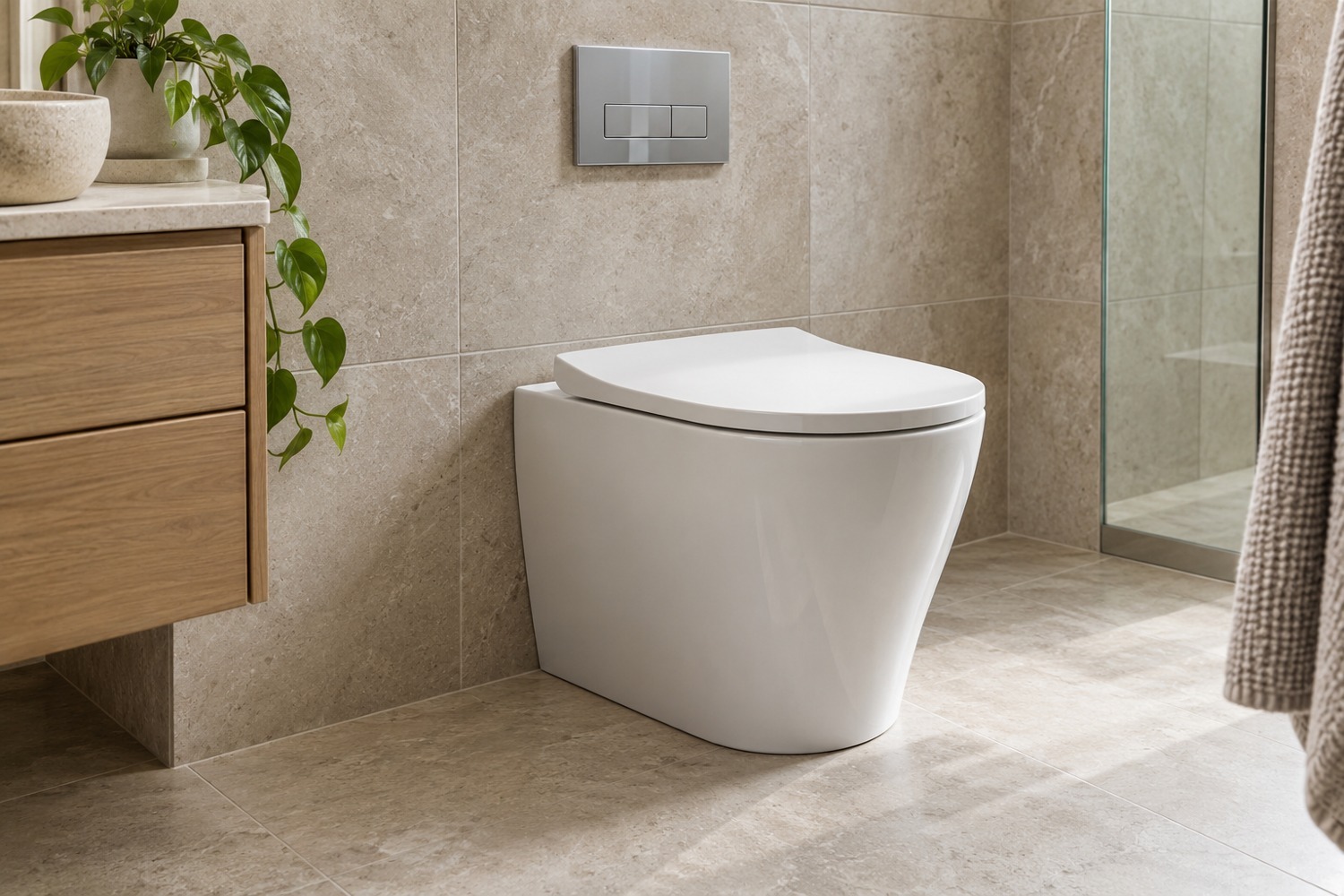
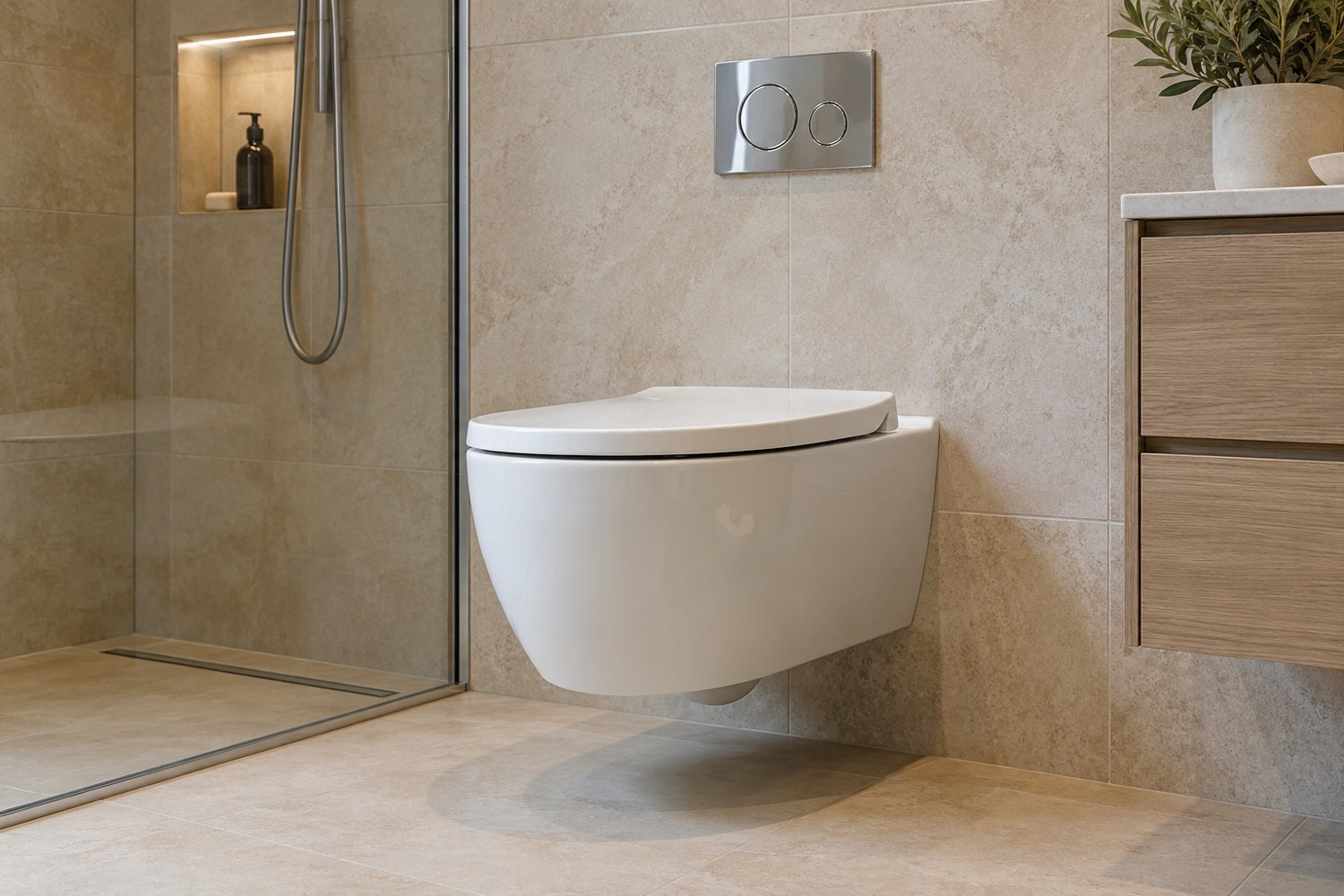
Both can look fantastic. They create beautiful clean lines, and wall-hung toilets make cleaning the floor particularly easy. But this is where I become more cautious.
What Happens If Something Goes Wrong Inside the Wall?
Good-quality concealed systems are designed so normal servicing can generally be performed through the opening behind the flush plate.
My concern is a more serious problem that cannot easily be accessed through that opening. When plumbing components are concealed behind a finished and potentially tiled wall, a major problem can become more disruptive and expensive than servicing a conventional accessible cistern.
This is one area where I definitely wouldn't use an unknown system simply to save a few hundred dollars.
James Goren's Tip"They look fantastic. But my question is always: what happens in five or ten years if something serious goes wrong inside that wall? If a customer wants one, we'll install it - but I want them to understand the additional cost and complexity."
Wall-hung toilets also require proper structural support. In New Zealand's common timber-framed construction, additional building work may be required depending on the existing wall and selected system.
What Does a Concealed Toilet Cost in NZ?
For these toilets, complete installed cost is more meaningful than simply comparing pan prices.
| Level | Products / System | Typical Complete Installed Cost |
|---|---|---|
| Entry concealed floor-mounted | $1,000-$1,800 | $1,500-$2,000 |
| Mid-range concealed / wall-hung | $1,500-$2,500 | $2,000-$2,300 |
| Premium wall-hung | $2,500-$4,000+ | $4,000-$6,000+ |
Advantages and Disadvantages
| Advantages | Disadvantages |
|---|---|
| Beautiful minimalist appearance | Higher installed cost |
| Very clean architectural lines | More complicated installation |
| Can reduce visual clutter | More restricted servicing access |
| Wall-hung version is easy to clean underneath | Serious concealed faults can be disruptive |
| Excellent for premium bathrooms | Wall-hung versions may require structural work |
James Goren's Tip"Don't compare the showroom price alone. Once you include the concealed system, plumbing, building work and finishing, what looked like a $1,500 toilet decision can easily become $4,000 or $5,000 - or more."
4. Bidet Toilets and Smart Toilets
Bidet toilets are becoming increasingly popular in New Zealand.
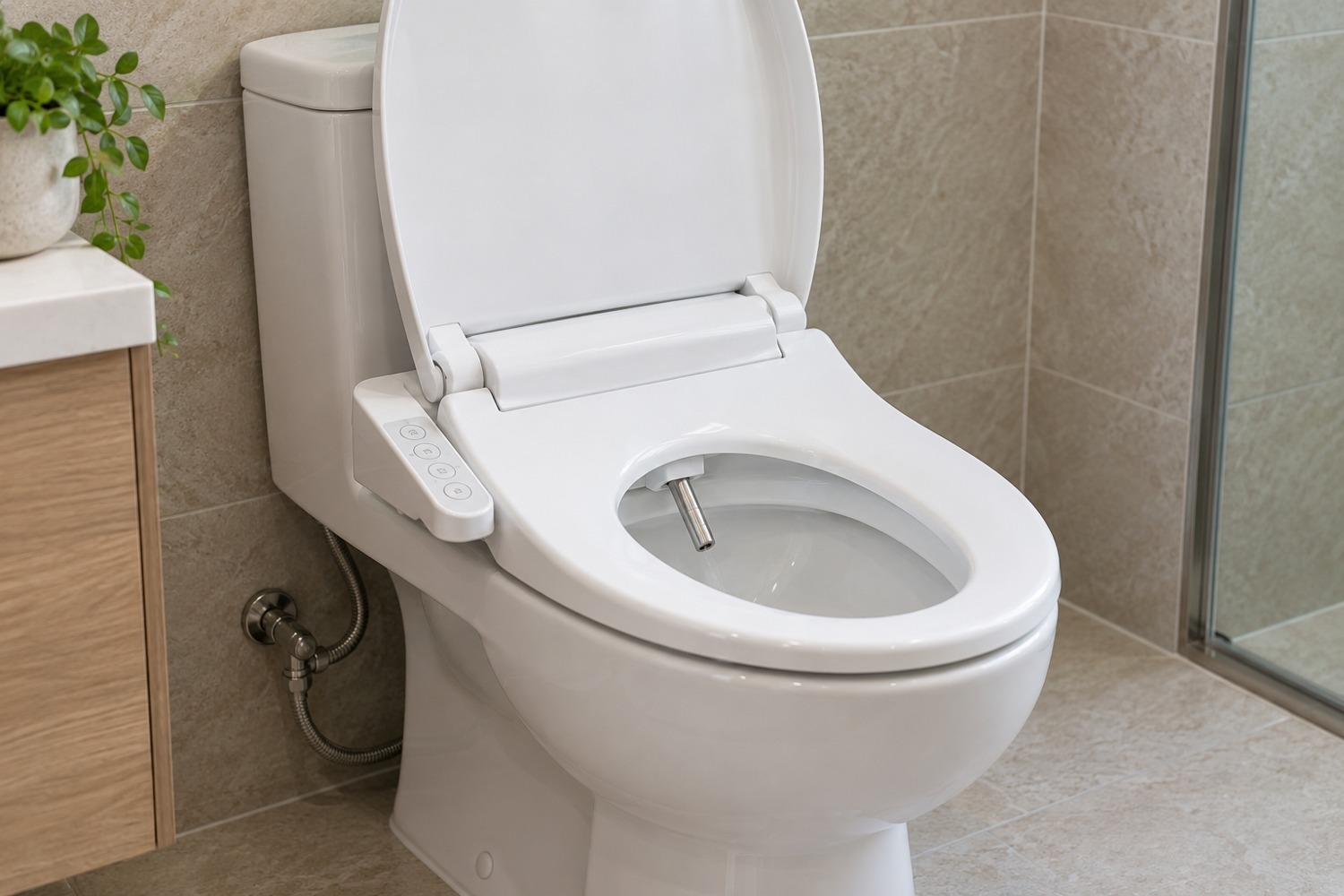
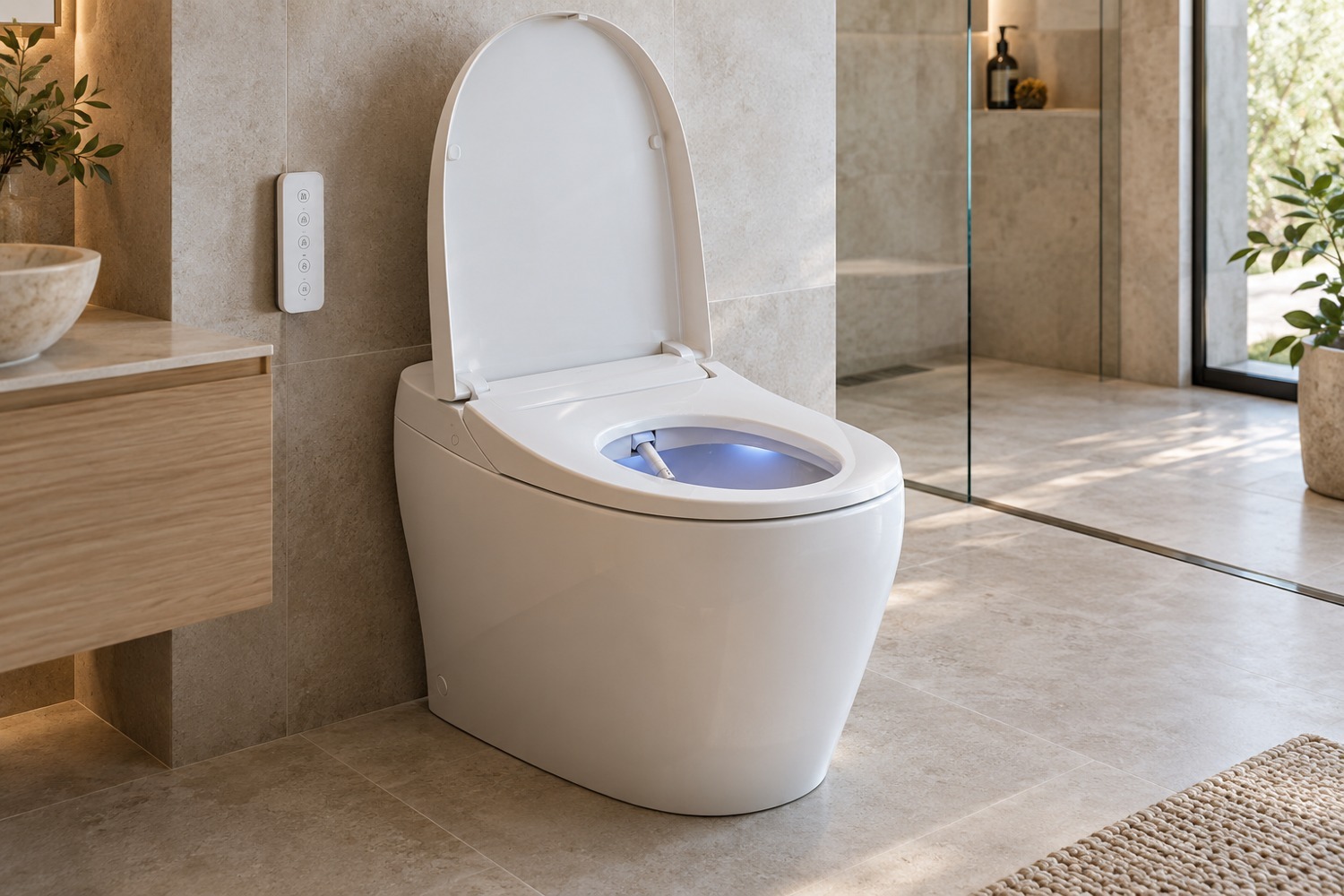
Options range from electronic bidet seats through to fully integrated intelligent toilets offering heated seats, adjustable washing, warm-air drying, automatic flushing, night lighting and remote controls.
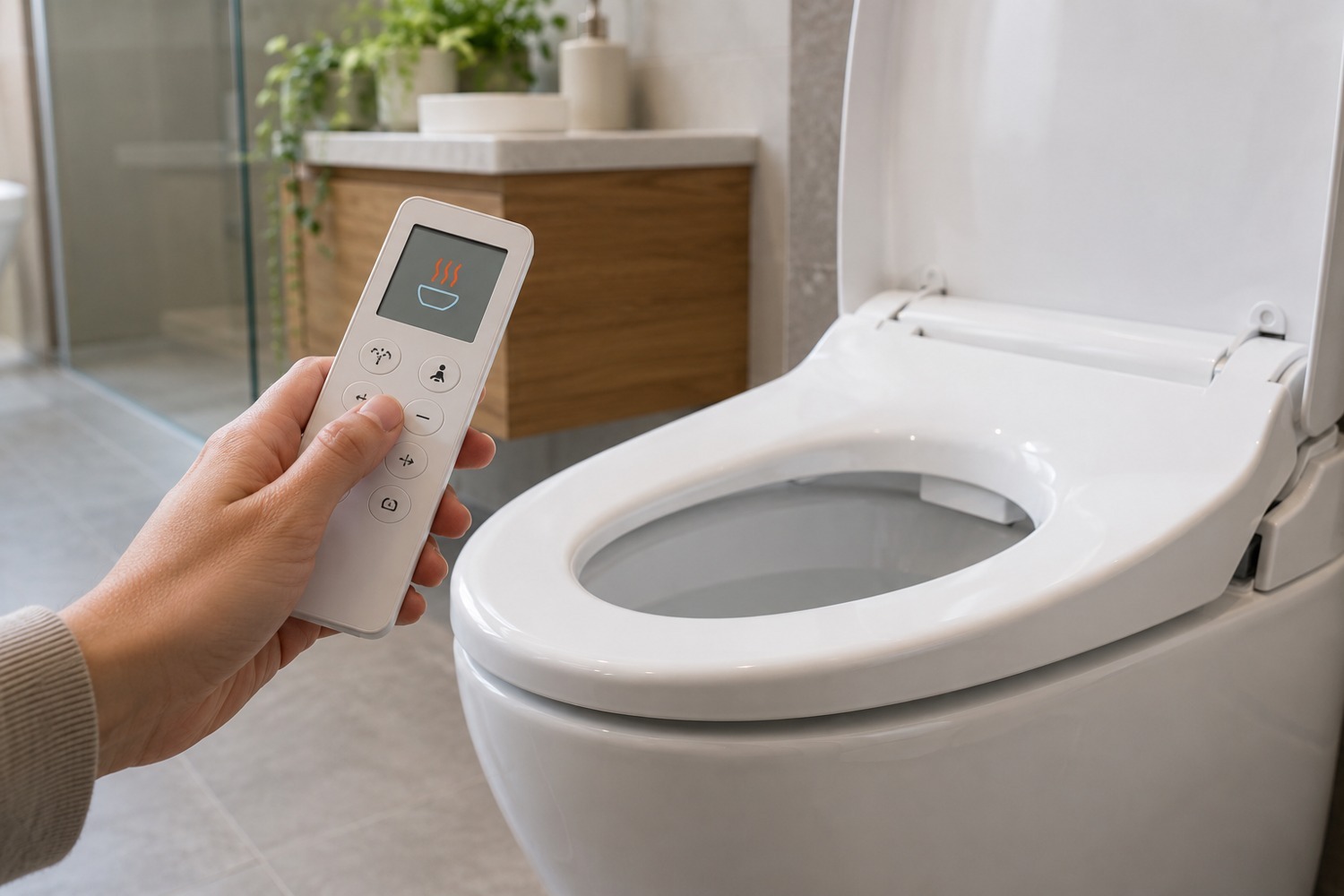
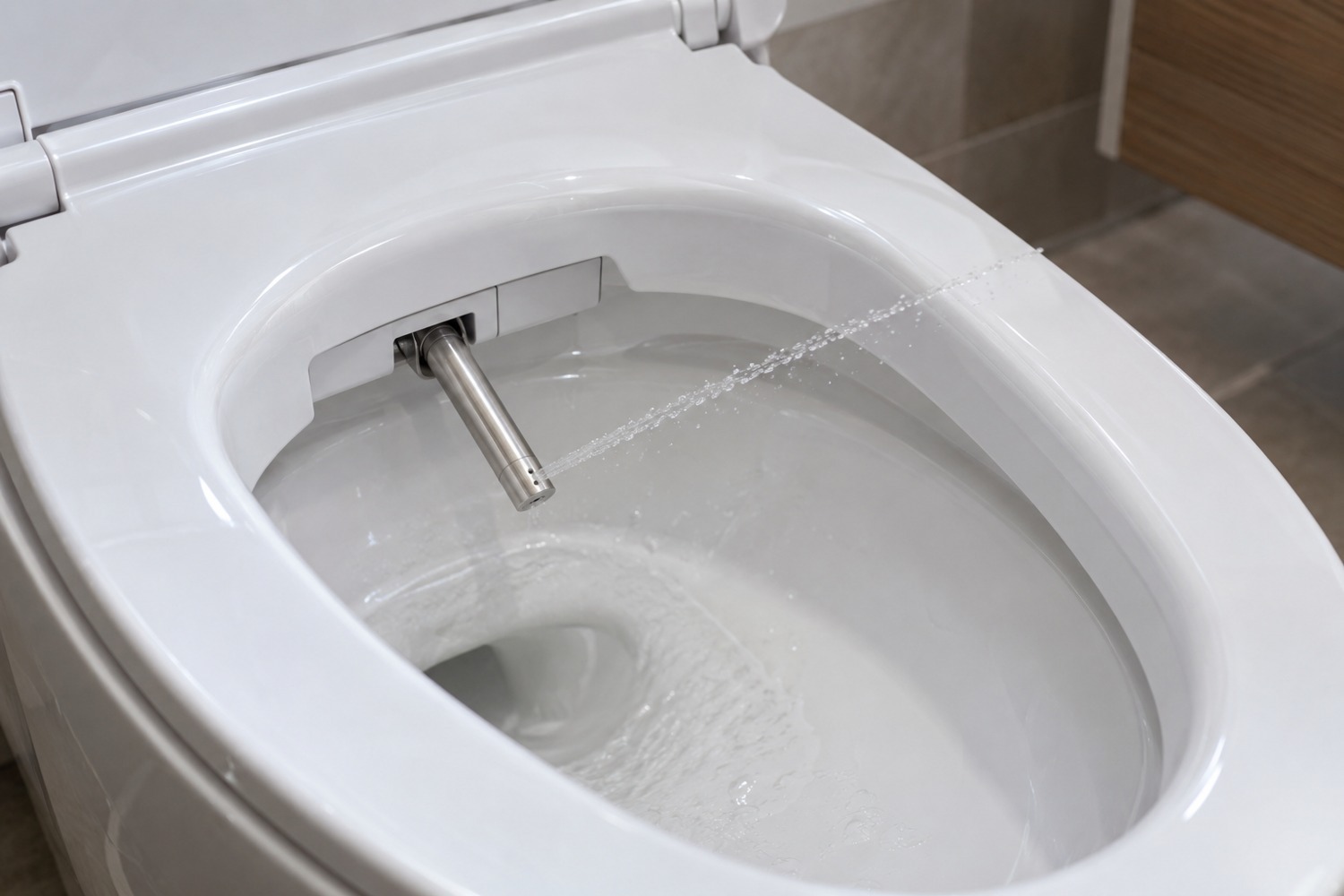
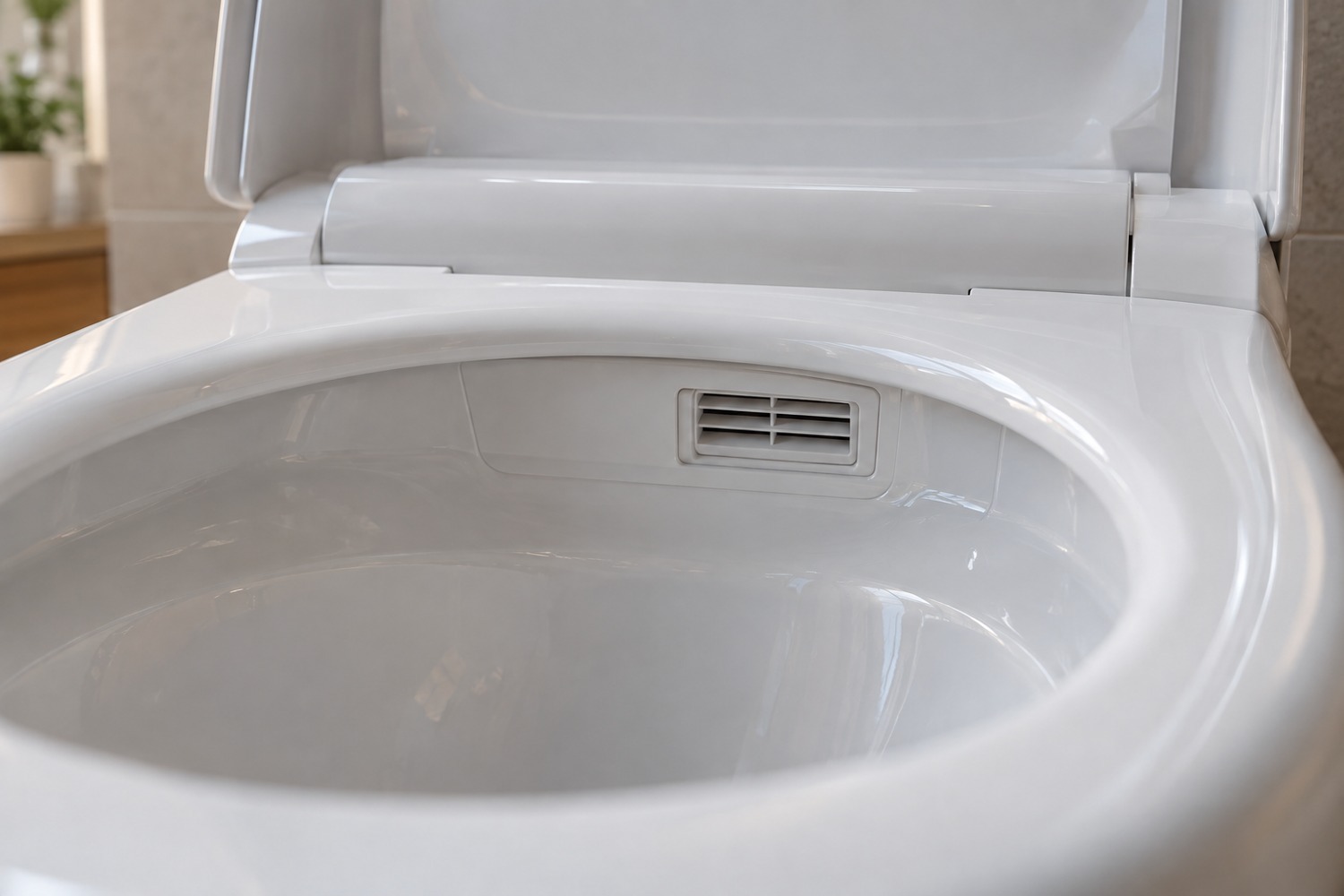
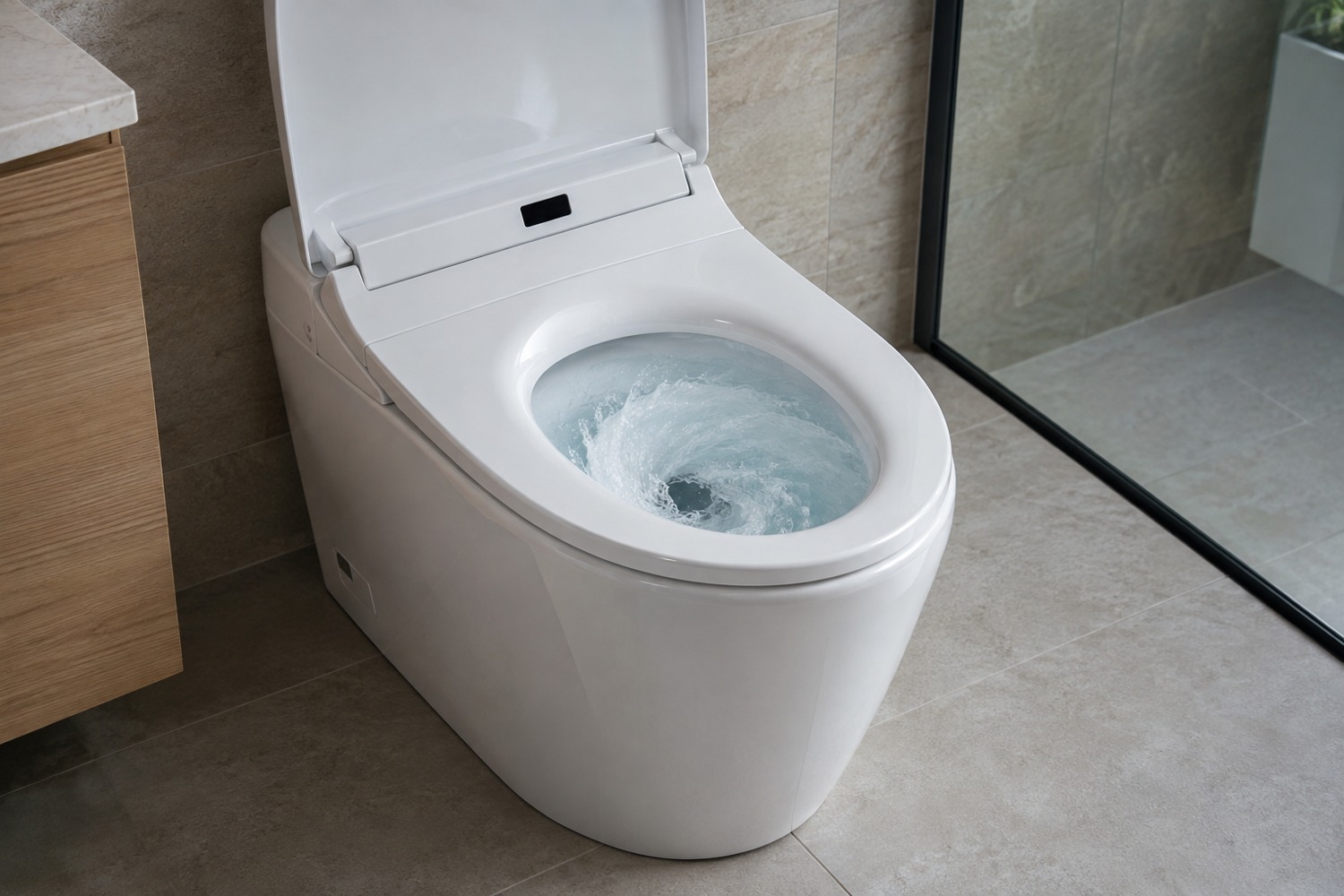
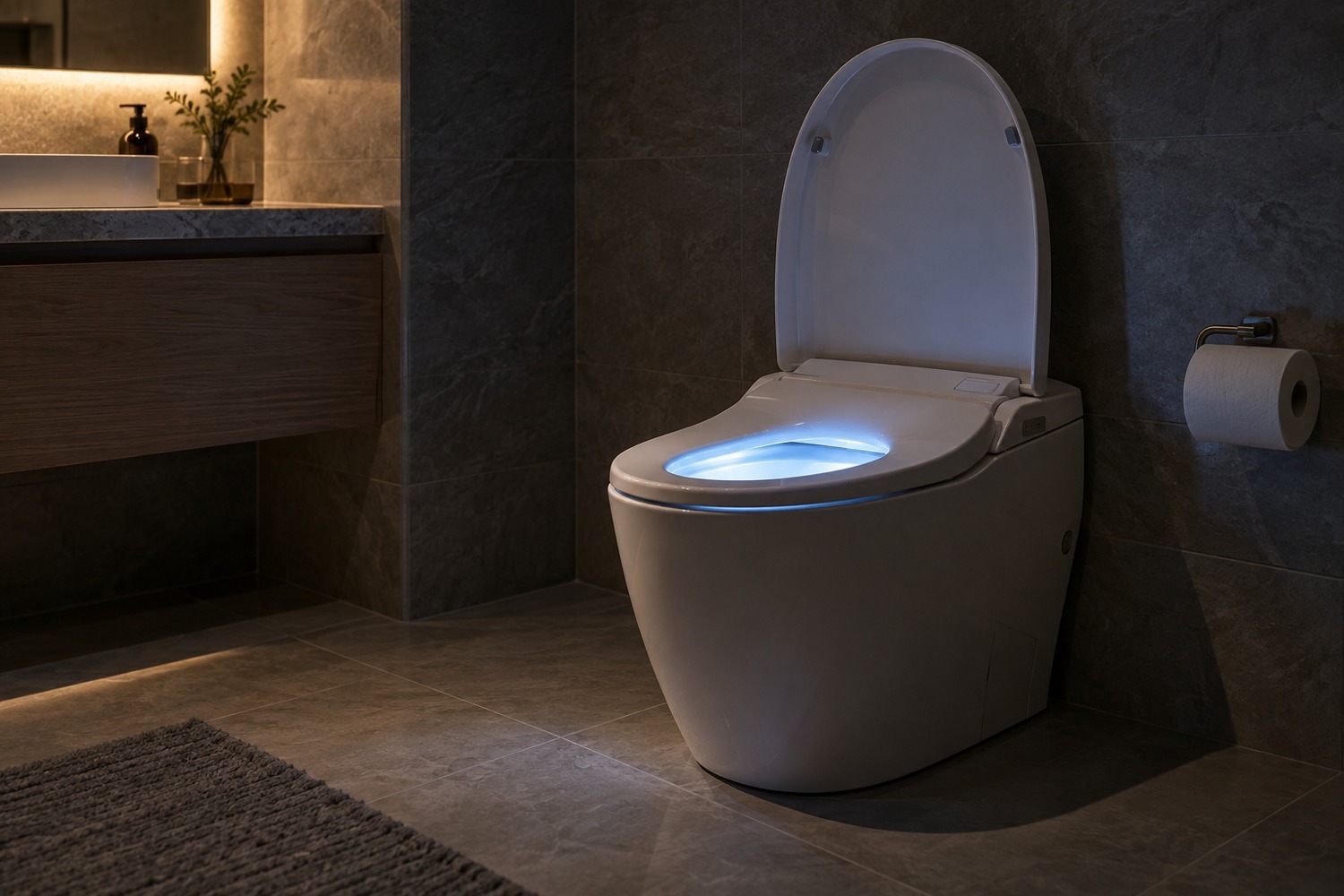
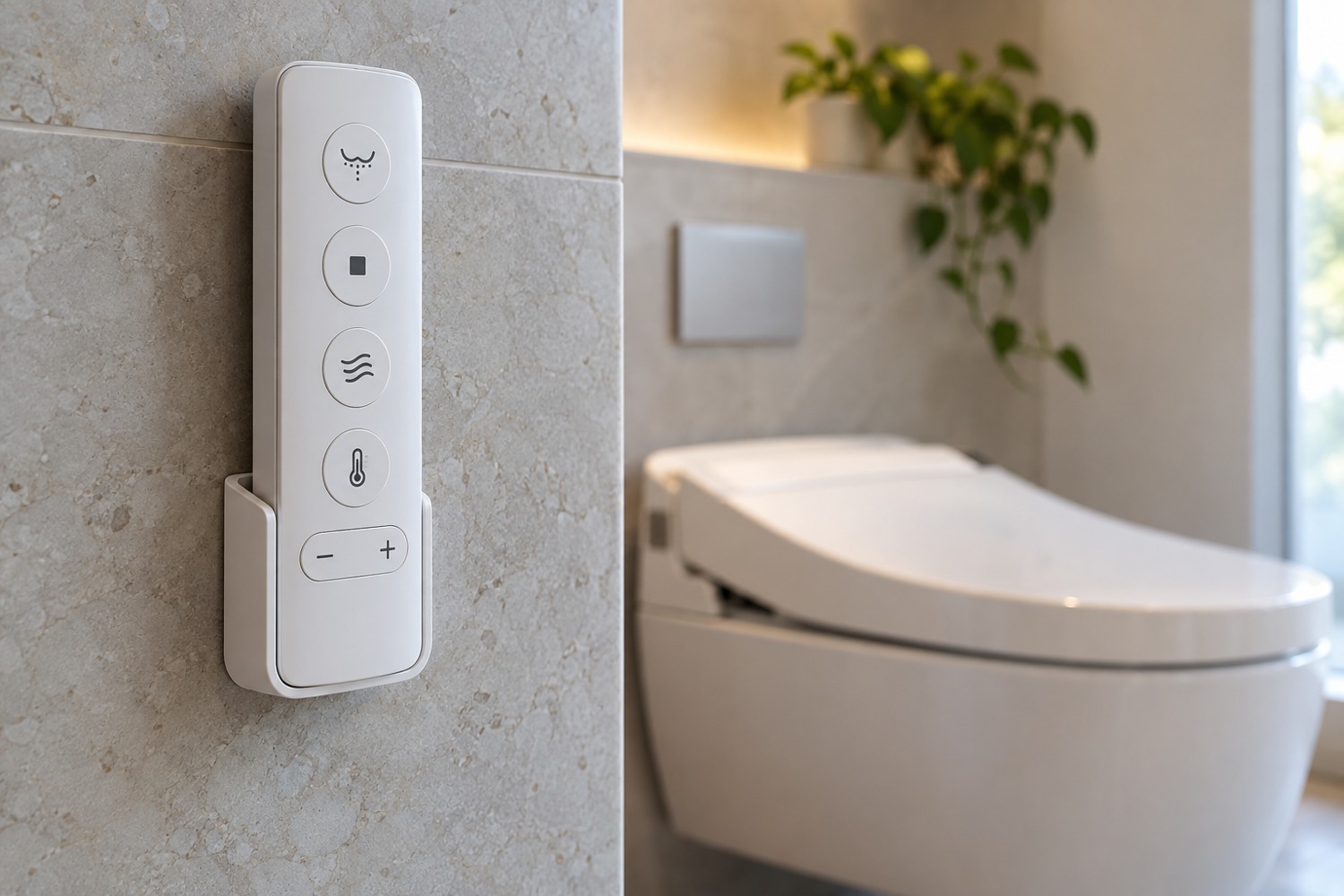
They can be fantastic, but they need to be selected early. Depending on the model, we may need electrical work, specific plumbing arrangements and appropriate backflow protection.
Are Bidet Toilets Legal in New Zealand?
Yes, but the product and its installation must comply with applicable New Zealand requirements.
This is important because bidets and douche seats are identified under New Zealand Building Code guidance as a high cross-connection hazard, requiring appropriate protection against contamination of the potable water supply.
It is therefore too simplistic to say that any bidet with a basic non-return valve is acceptable. The required backflow protection depends on the product and installation.
James Goren's Tip"Check this before buying - not afterwards. Just because you can buy a bidet toilet online doesn't automatically mean it can be installed here exactly as you expect. Have your plumber check the specifications and NZ compliance requirements first."
This is particularly important when importing products directly from overseas.
What Does a Bidet Toilet Cost in NZ?
| Level | Product Price | Typical Installation |
|---|---|---|
| Entry bidet solution | $800-$1,500 | $500-$1,000+ |
| Mid-range bidet toilet | $1,500-$3,000 | $700-$1,500+ |
| Premium smart toilet | $3,000-$8,000+ | $1,000-$2,000+ |
Installation may include plumbing, electrical work and compliant backflow protection.
Advantages and Disadvantages
| Advantages | Disadvantages |
|---|---|
| Excellent personal hygiene | Higher purchase price |
| Comfortable and convenient | May require electrical work |
| Increasing choice in NZ | Backflow requirements must be considered |
| Excellent functionality on premium models | More components to service |
| Useful for long-term living | Parts and manufacturer support are important |
Toilet Features Worth Considering
Rimless Toilet
Rimless is a feature, not another type of toilet. It removes much of the traditional enclosed rim inside the bowl, making the toilet easier to clean.
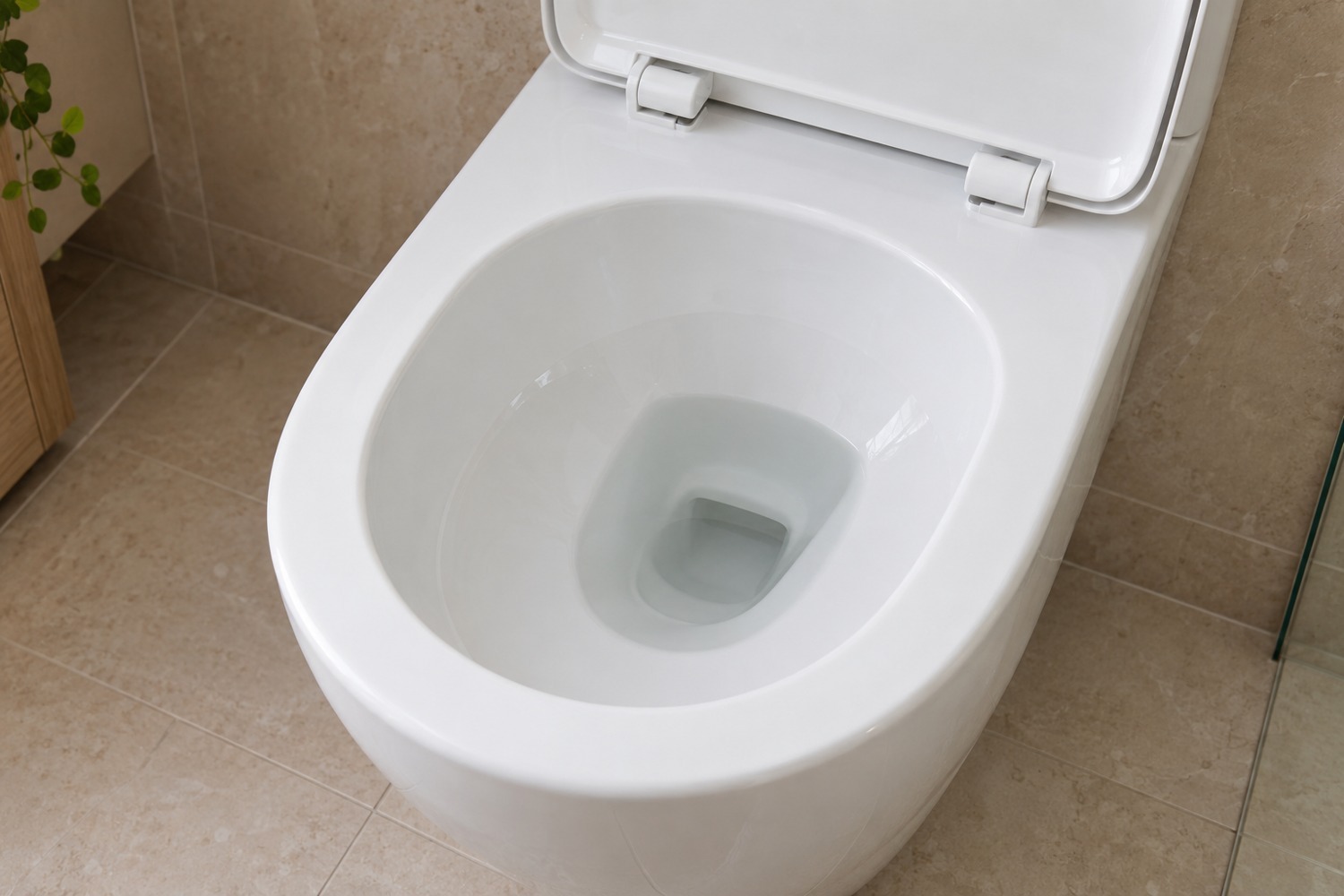
James Goren's Tip"If two good-quality toilets are otherwise comparable, I normally choose rimless. It's simply easier to keep clean."
Soft-Close and Quick-Release Seat
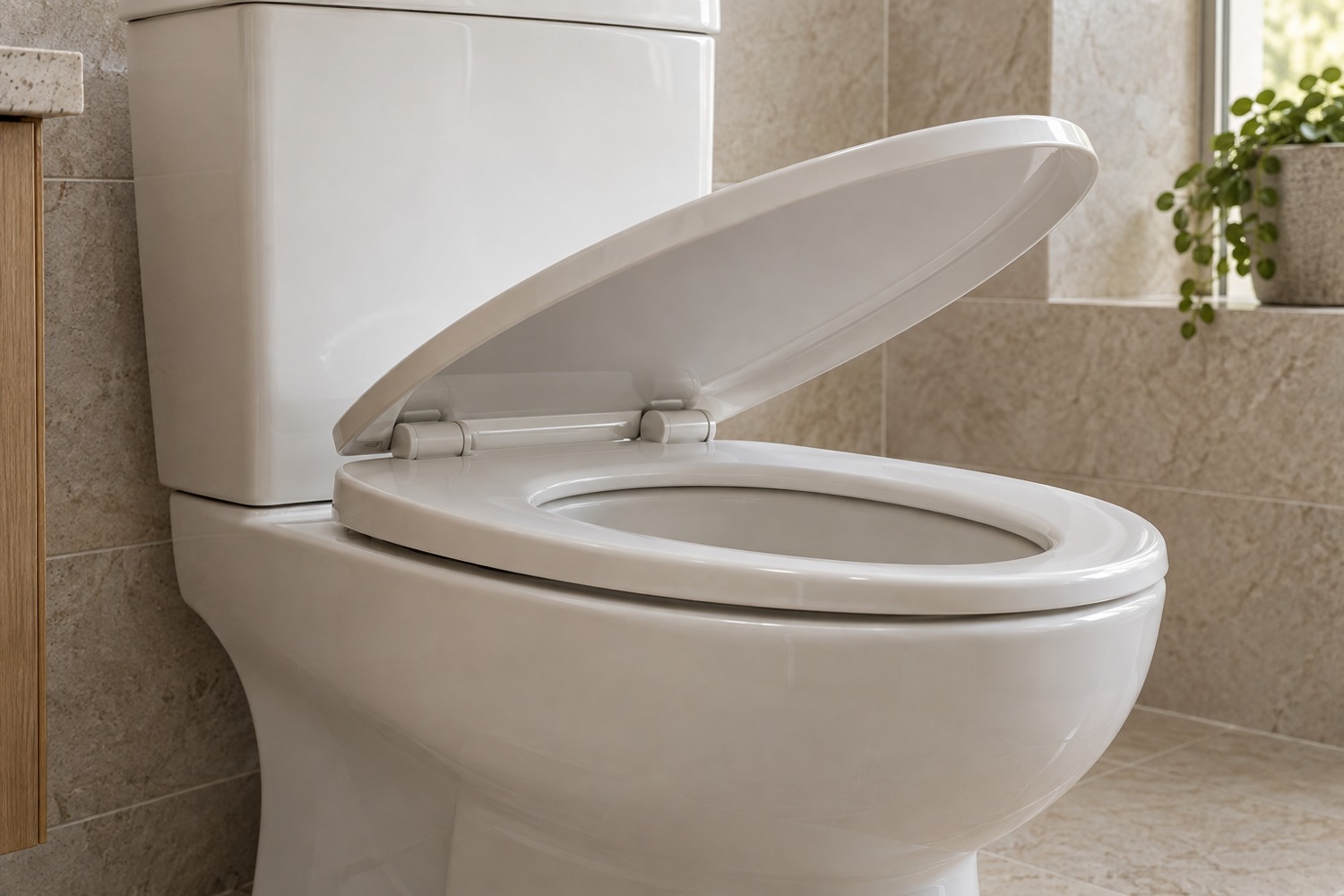
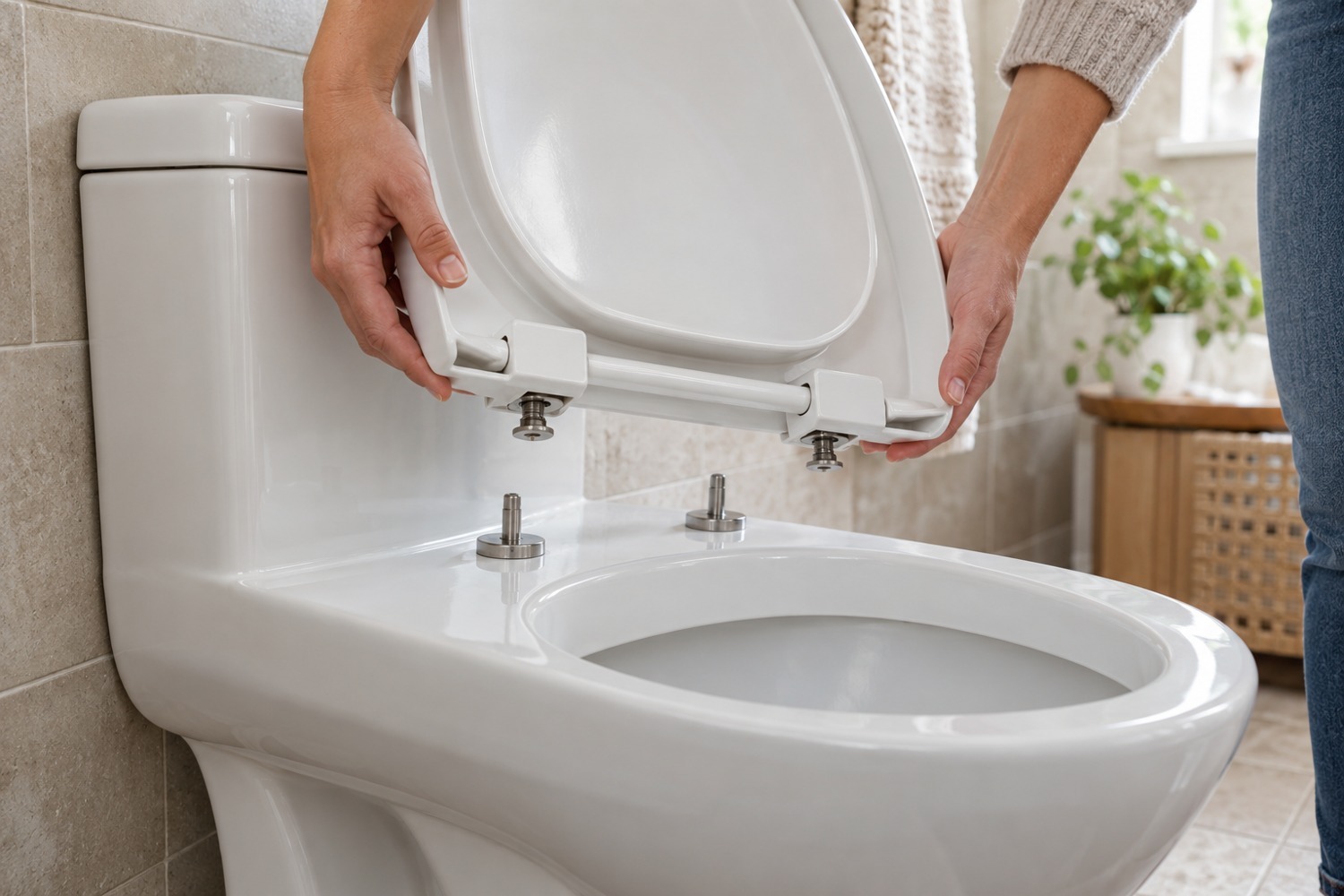
A soft-close seat prevents slamming, while quick-release allows the seat to be removed for easier cleaning around the hinges. For a good-quality modern bathroom, I normally look for both.
S-Trap, P-Trap and Toilet Set-Out
An S-trap generally discharges through the floor, while a P-trap generally discharges through the wall. The set-out determines the position of that waste connection.
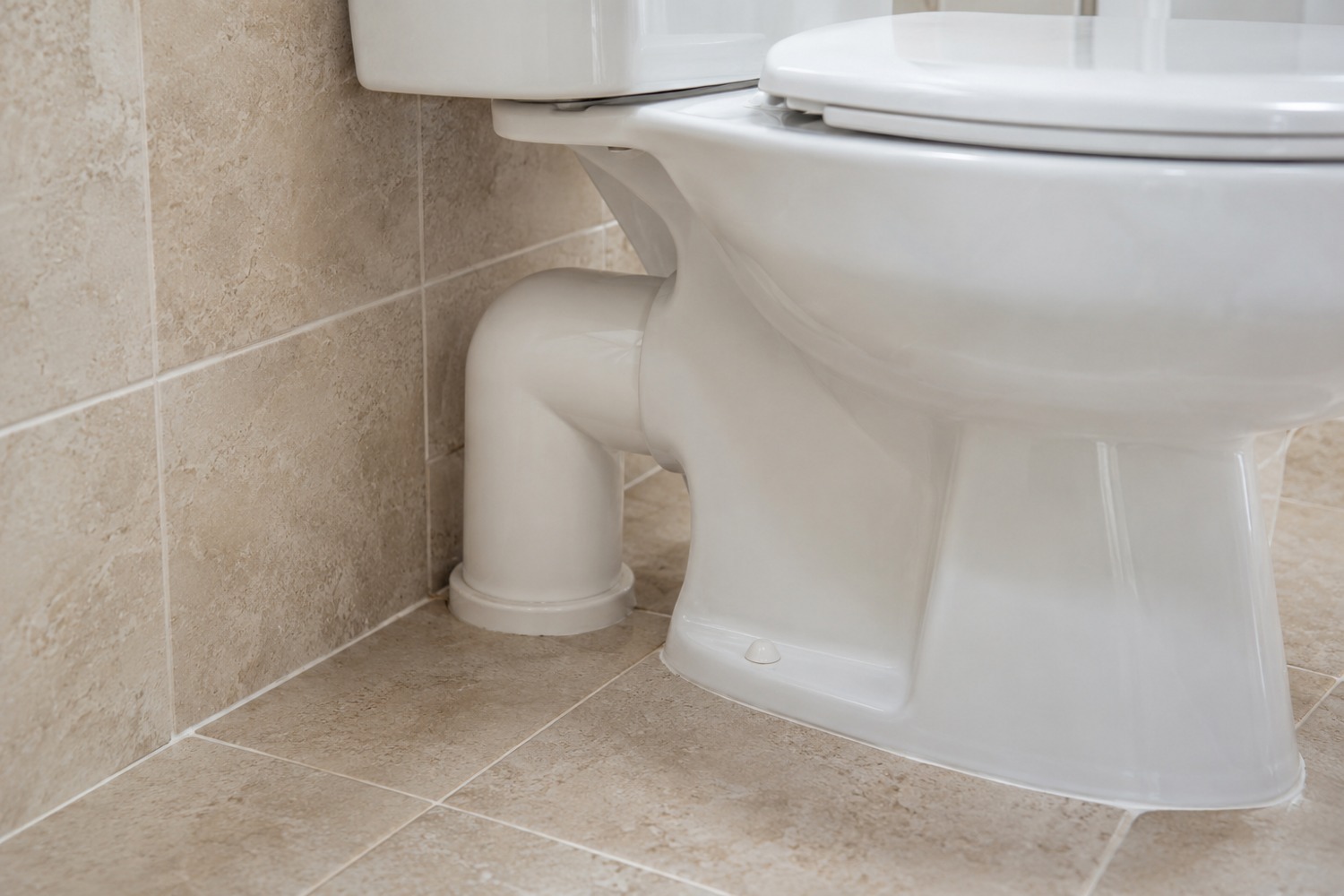
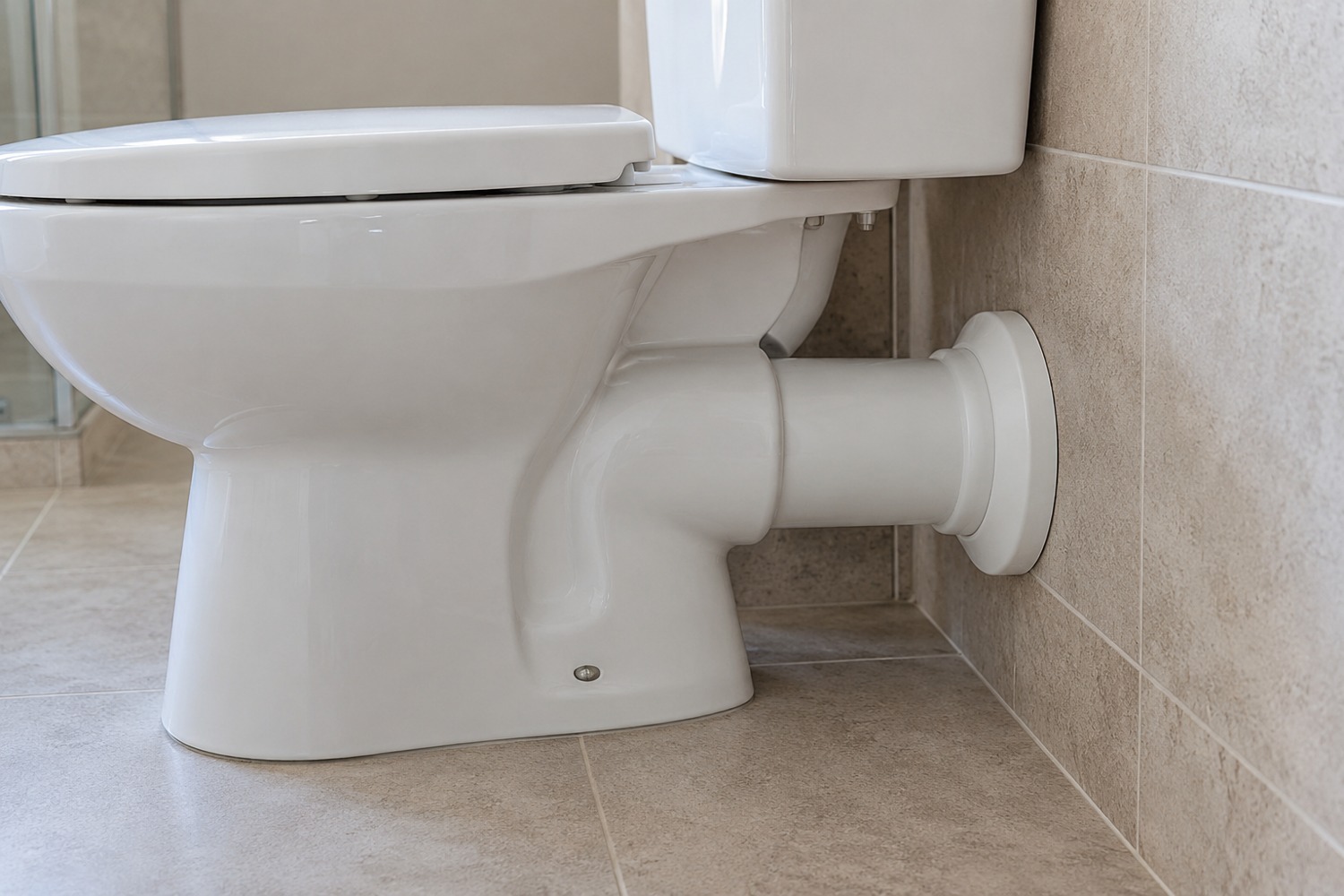
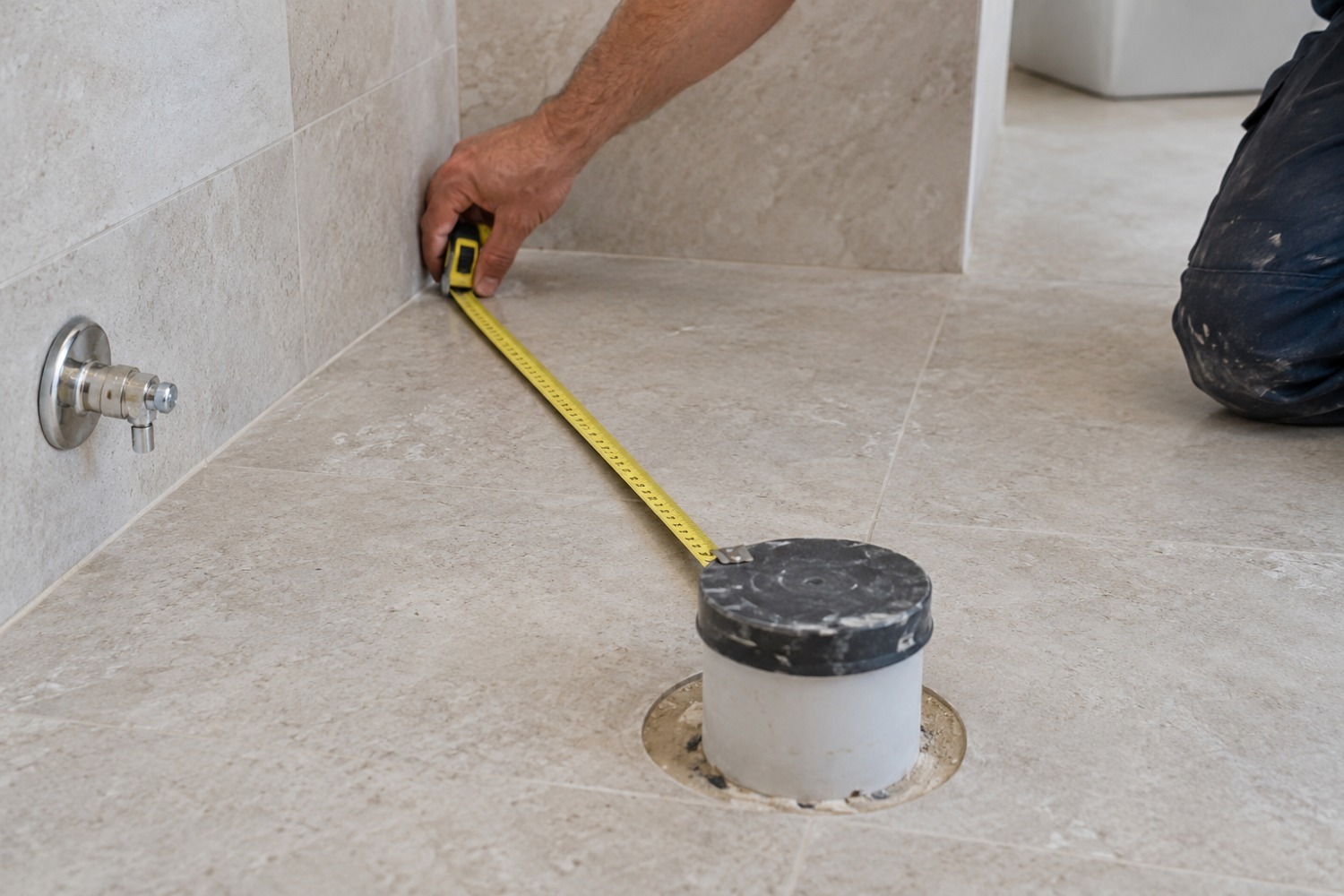
James Goren's Tip"Check the plumbing first, then select the toilet. Don't buy the toilet first and create a plumbing problem afterwards."
Comfort-Height Toilets
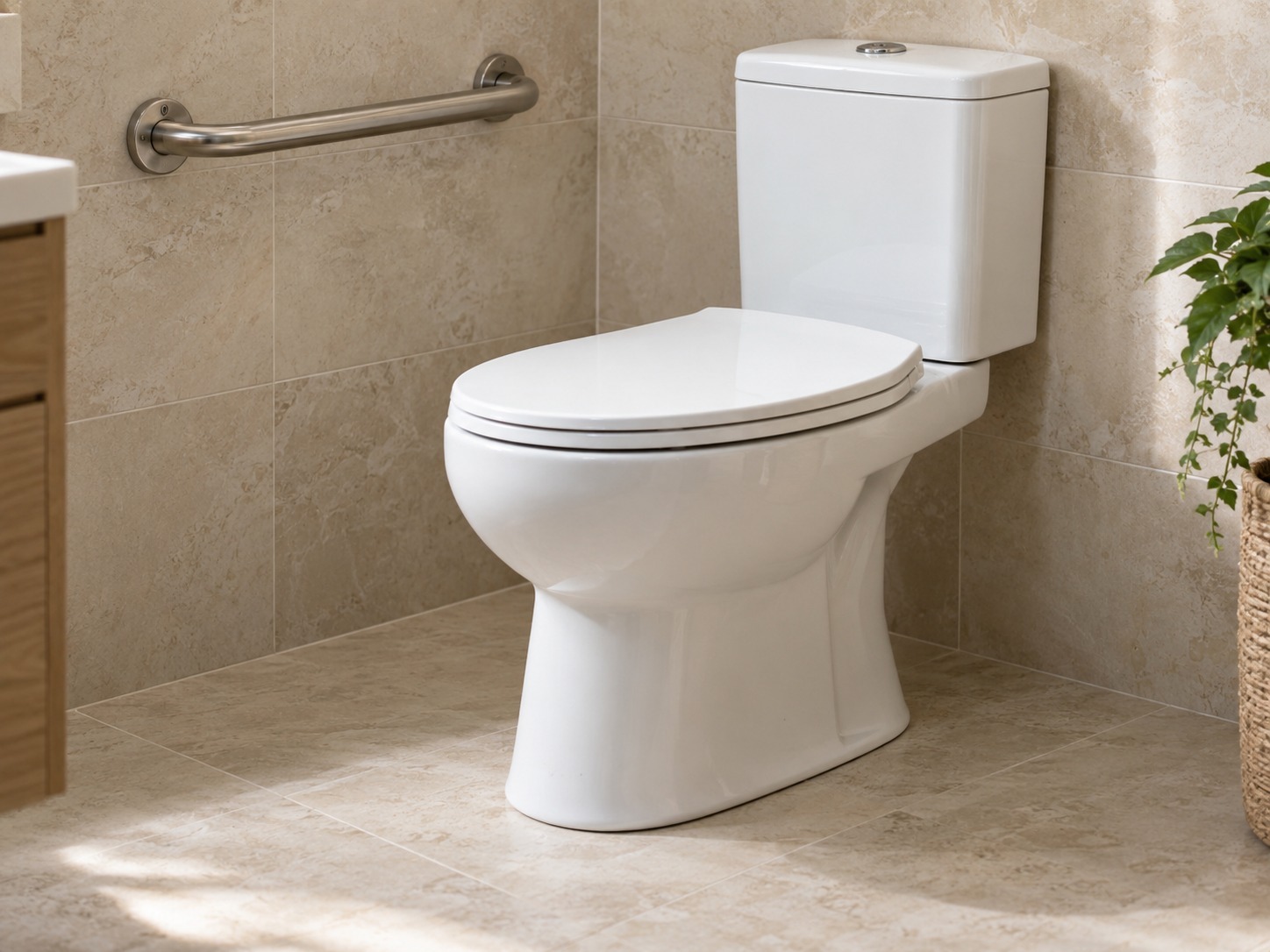
A slightly higher toilet can be more comfortable for taller people, older homeowners or anyone with reduced mobility. For a long-term home, it is worth considering.
Flush Buttons and Hardware Finishes
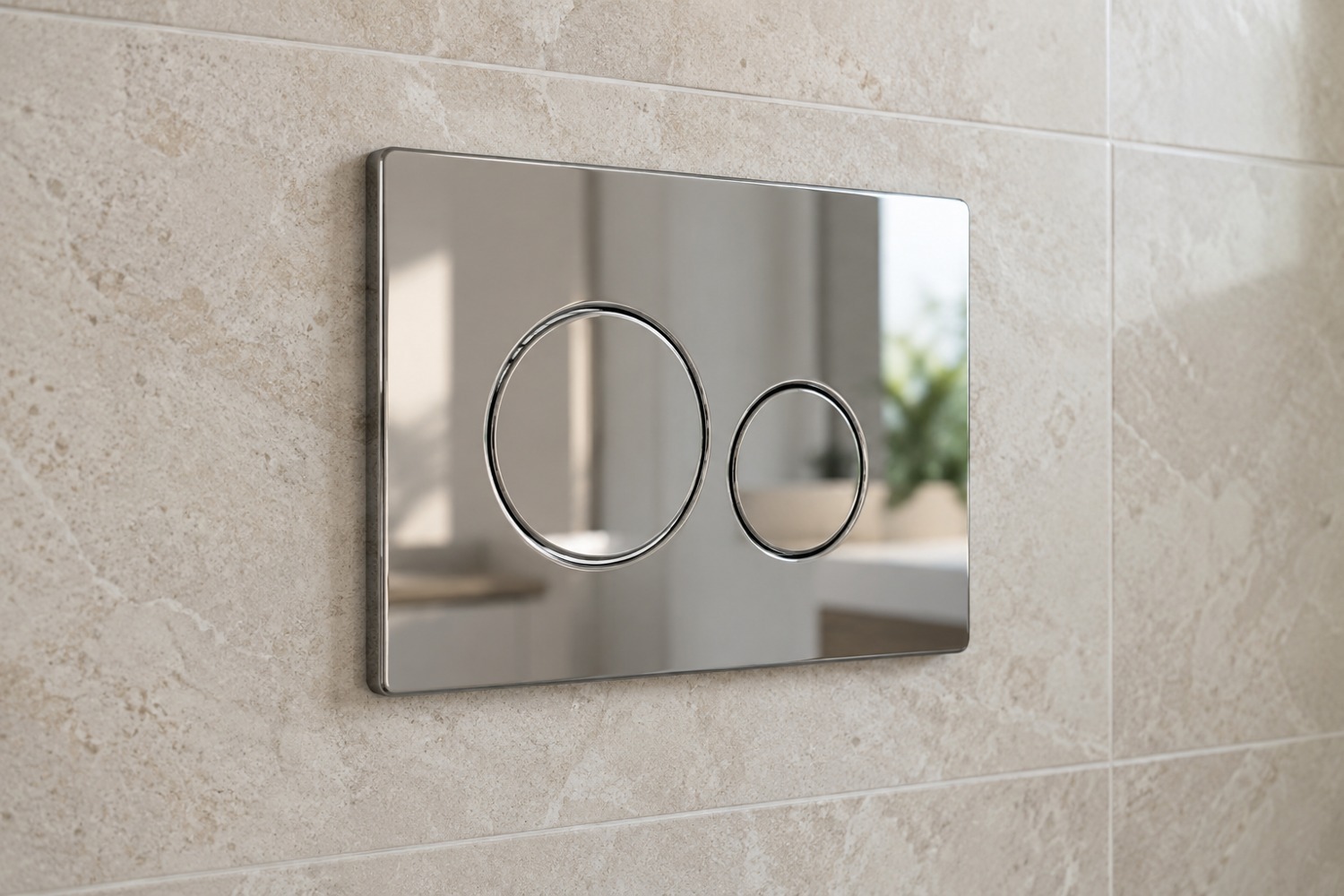
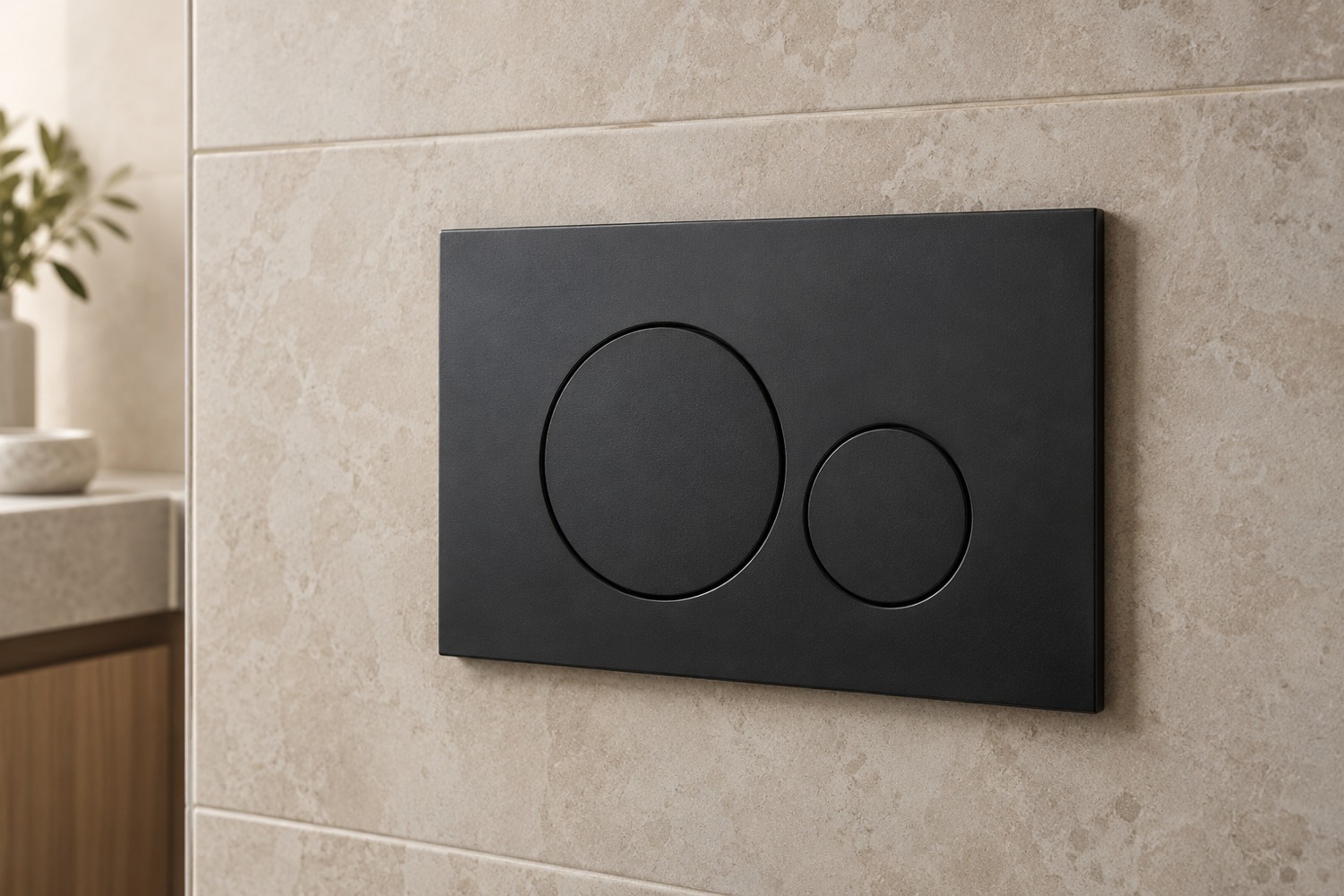
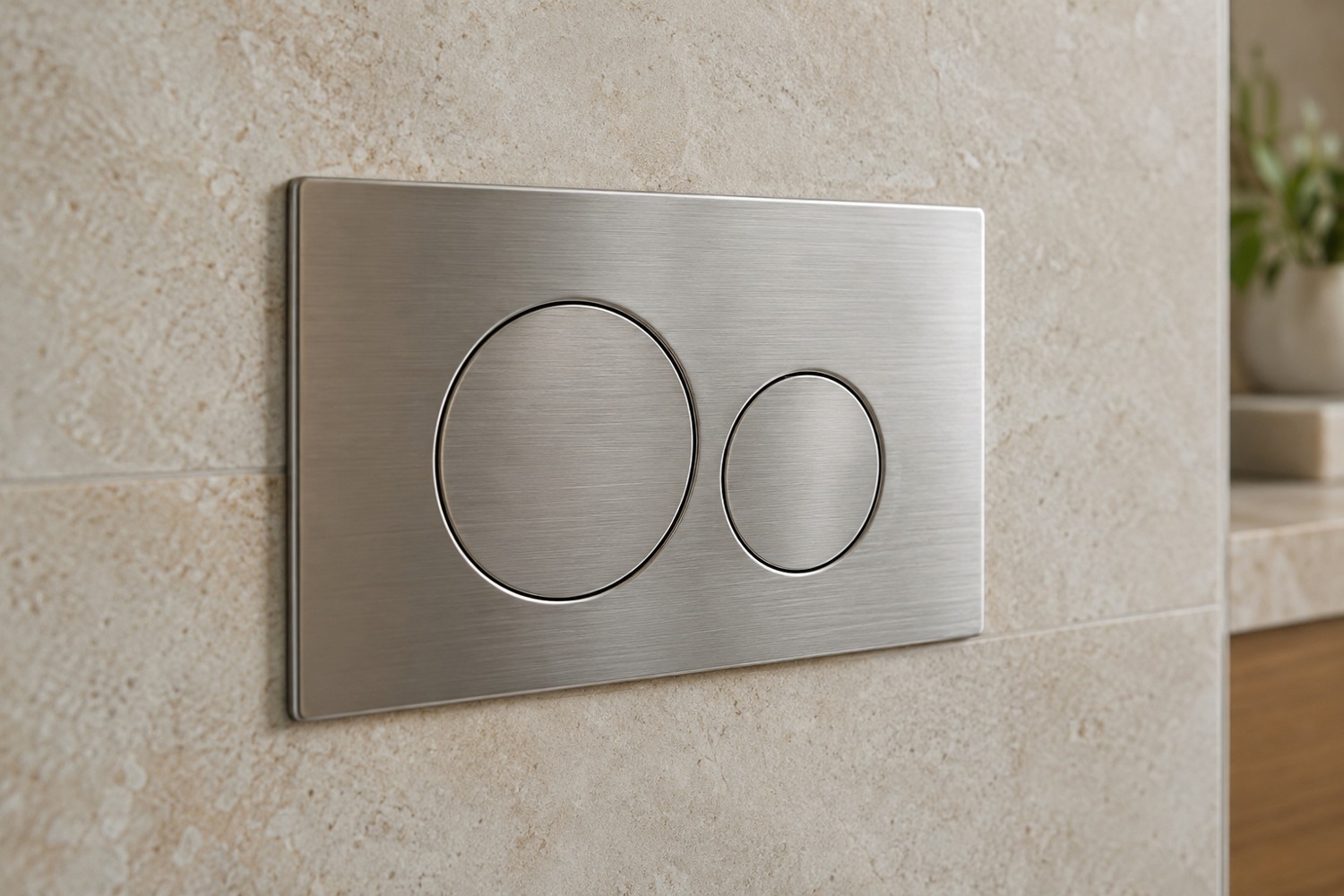
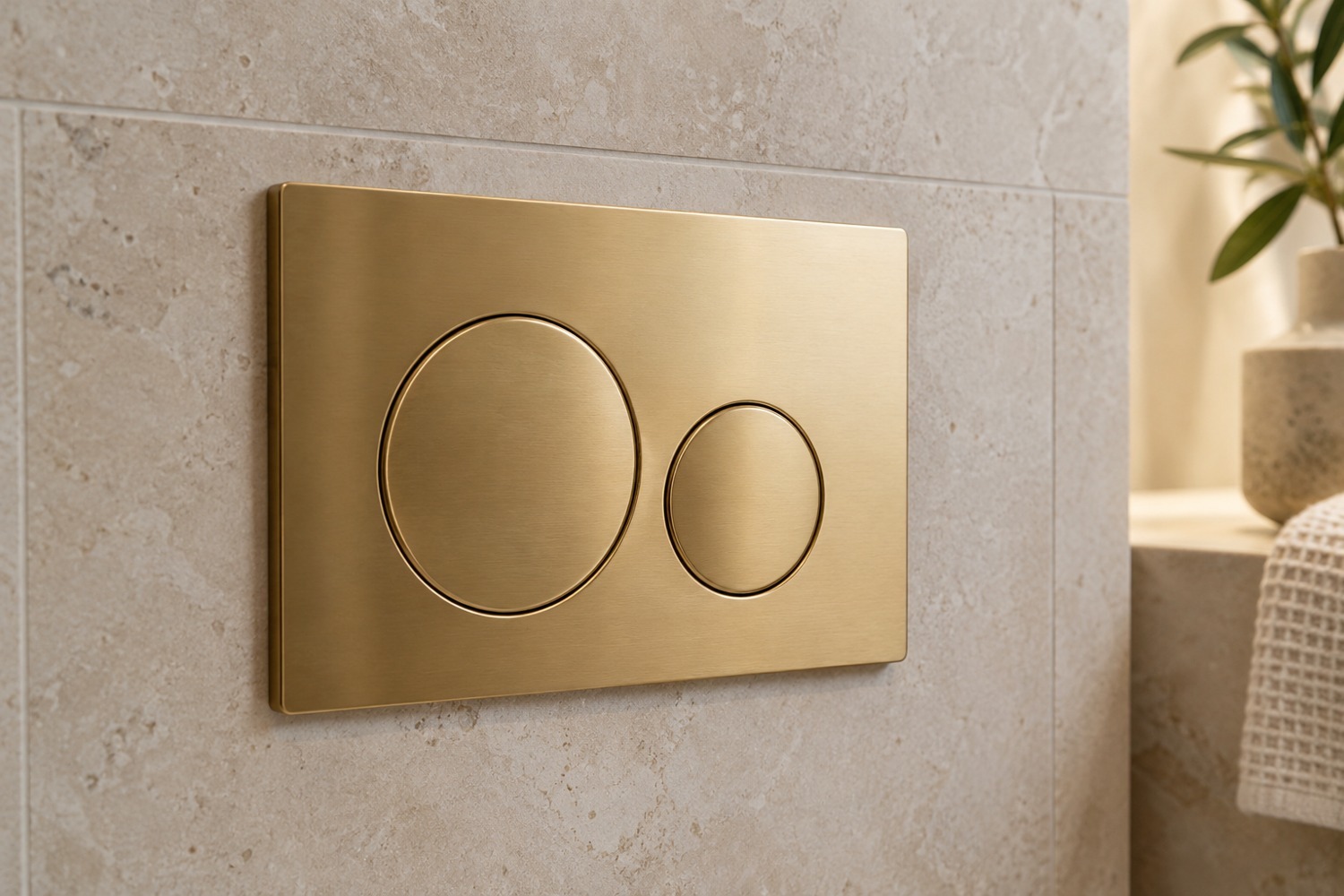
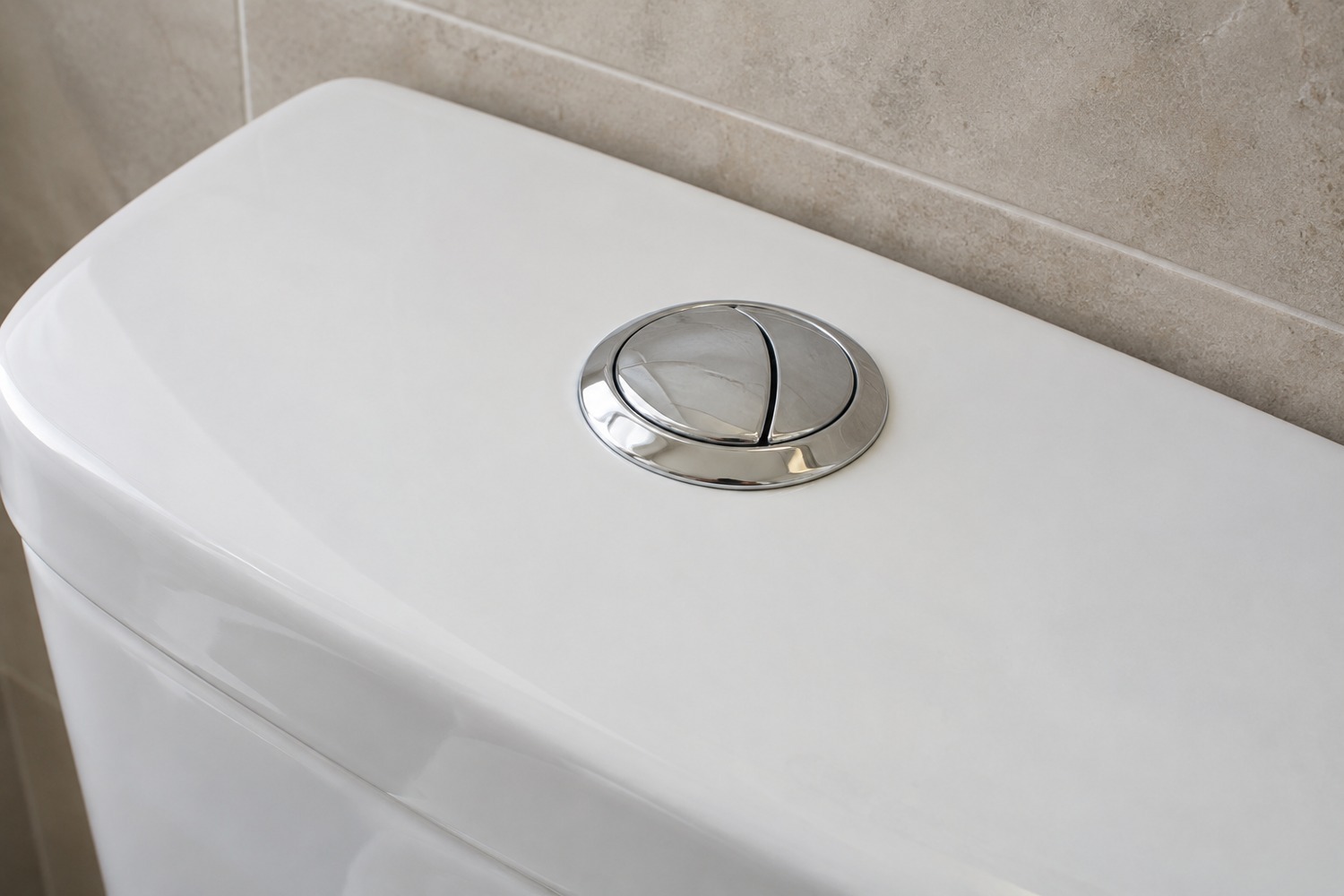
Premium systems may offer chrome, black, brushed or metallic buttons and flush plates to coordinate with bathroom tapware. It's a nice finishing touch - but reliability, fit and serviceability come first.
Water Efficiency and WELS Ratings
Check the toilet's WELS rating when comparing products. Many modern toilets use efficient dual-flush systems. Water efficiency is worth considering alongside flushing performance, reliability, cleaning and servicing.
Which Toilet Would James Goren Choose?
For a basic investment property or commercial application, I would keep things simple and reliable.
For a quality investment property, I would generally choose a good back-to-wall toilet.
For a family home, my starting point is normally a quality rimless back-to-wall toilet with a soft-close, quick-release seat.
For a premium ensuite, a concealed or wall-hung toilet can look fantastic if the customer values the design enough to justify the additional installation cost and complexity.
And if someone genuinely values the hygiene and convenience, I would certainly consider a quality bidet toilet - but select it early so the electrical, plumbing and compliance requirements can be properly planned.
Frequently Asked Questions About Toilets in New Zealand
How much does a new toilet cost in New Zealand?
+
Basic toilets can start around $350-$500, while good mainstream back-to-wall toilets commonly cost approximately $700-$1,600. Premium concealed, designer, bidet and smart toilets can cost several thousand dollars. Always consider the complete installed cost, not just the toilet price.
How much does it cost to install a toilet in Auckland?
+
For a straightforward replacement using the existing plumbing position, approximately $350-$700+ is a useful general guide. Moving drainage or installing concealed, wall-hung or bidet systems can increase this considerably.
What is the best toilet for a bathroom renovation?
+
For many family homes and quality investment properties, James Goren generally prefers a quality rimless back-to-wall toilet because it balances appearance, cleaning, reliability, servicing and cost.
Are wall-hung toilets worth it?
+
They can be for a premium bathroom where minimalist appearance and easy floor cleaning are important. However, they are more complicated and expensive to install than conventional floor-mounted toilets.
Can you repair a concealed cistern without removing tiles?
+
Quality concealed systems are designed so routine servicing can generally be carried out through the flush-plate opening. More serious faults may be harder to access, making product quality and long-term parts availability particularly important.
What is the difference between an S-trap and P-trap toilet?
+
An S-trap generally connects through the floor, while a P-trap generally connects through the wall. The toilet's set-out must also suit the property's plumbing.
Are bidet toilets legal in New Zealand?
+
Yes, provided the product and installation comply with applicable New Zealand requirements. Bidets and douche seats present a high cross-connection hazard, so appropriate backflow protection is particularly important.
Do bidet toilets need electricity?
+
Many electronic bidet seats and smart toilets do. If you want one, select it during the design stage so electrical and plumbing requirements can be incorporated into the renovation.
Which toilet brands should I buy in New Zealand?
+
Rather than buying solely according to the logo, look for an established manufacturer or supplier with good NZ warranty support, servicing and replacement-parts availability.
Final Thoughts from James Goren
After hundreds of renovations, I've learned that good renovation decisions aren't about buying the most expensive products.
They're about choosing the right products for the property, customer and budget.
For most good-quality family bathrooms and investment properties, a quality rimless back-to-wall toilet is extremely difficult to beat.
A concealed or wall-hung toilet can look spectacular in the right premium bathroom, while a good bidet toilet can add genuine comfort and functionality.
But whatever you choose, look beyond the showroom price. Think about installation, cleaning, reliability, servicing and where replacement parts will come from in ten years.
James Goren's Tip"Don't choose a toilet in isolation. Look at the whole bathroom. Sometimes choosing a shorter pan, improving the layout or spending the money somewhere else will improve the bathroom far more than simply buying the most expensive toilet in the showroom."
The goal isn't to spend the most money. The goal is to spend it intelligently.
Planning a Bathroom Renovation in Auckland?
At The Renovation Team, we design and manage complete bathroom and ensuite renovations throughout Auckland.
We help our customers with layout, product selection, plumbing, electrical work, waterproofing, tiling, lighting, ventilation and the many other decisions involved in creating a bathroom that looks great and works properly.
Planning a bathroom renovation? Talk to The Renovation Team before you start purchasing products.
A little planning at the beginning can prevent a lot of unnecessary cost and compromise later.
Pricing in this guide is indicative of the Auckland/New Zealand market as at October 2026 and is shown in NZD. Product prices, promotions and installation costs vary by supplier, site conditions, existing plumbing, electrical requirements, framing and project scope. Obtain a project-specific quotation before purchasing products or commencing work.